Info
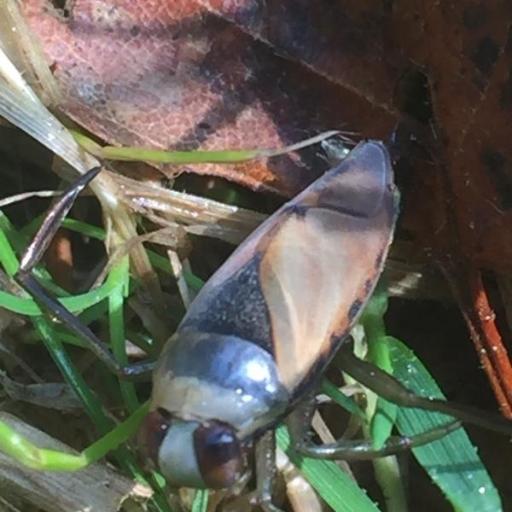
Known as the "Common Backswimmer" or sometimes the "Water Bee," Notonecta glauca is a master of the upside-down world. These aquatic predators are common sights in garden ponds and still waters, where they patrol the surface with specialized rowing motions. Despite their somewhat serene appearance, they are the "sharks" of the pond world, known for their speed and predatory prowess.
🔍 How to Identify
- 🚣 The Oar-Like Legs: Their hind legs are significantly longer than the others and are fringed with tiny hairs, functioning exactly like paddles to propel them through the water.
- ⛵ Boat-Shaped Body: They have a distinct keel-shaped back that resembles the hull of a boat, which is why they are so hydrodynamic when swimming belly-up.
- 👀 Prominent Eyes: They possess large, reddish-brown compound eyes that allow them to spot movement both above and below the water surface simultaneously.
🌲 Habitat & Ecology
- 🦟 The Pond Protector: These insects are excellent natural pest controllers. They feast heavily on mosquito larvae, tadpoles, and even small fish, making them a gardener’s best friend for keeping unwanted insect populations in check.
- 🫧 Atmospheric Breathers: Unlike fish, they need to breathe air. You will often see them hanging head-down at the water's surface, using the tip of their abdomen to "grab" a fresh supply of oxygen to take on their next dive.
⚠️ Safety & Toxicity
- 🐝 "Water Bee" Status: They are nicknamed "Water Bees" for a reason. While they are not aggressive toward humans, they will deliver a sharp, painful bite if handled or accidentally caught in a hand or swimsuit.
- 🩹 The Bite: The bite is caused by their piercing-sucking mouthparts. While it feels very much like a wasp sting and can cause localized swelling, it is not medically significant for humans unless a rare allergic reaction occurs.
✨ Fun Fact
The Backswimmer carries its own "scuba tank" everywhere it goes! It traps a thin layer of air against its belly and under its wings using specialized hairs. This silver-colored bubble provides oxygen and helps the insect stay buoyant as it hunts.
More Details








