Info
Often heard but rarely seen, the Western Tree Cricket is the "ghostly soloist" of the summer night. Known for the rhythmic, high-pitched trills that define warm evenings in the American West, this slender insect is a master of camouflage. While their delicate, translucent appearance makes them look like fairy-tale creatures, they are actually diligent garden protectors that patrol the canopy for pests.
🔍 How to Identify
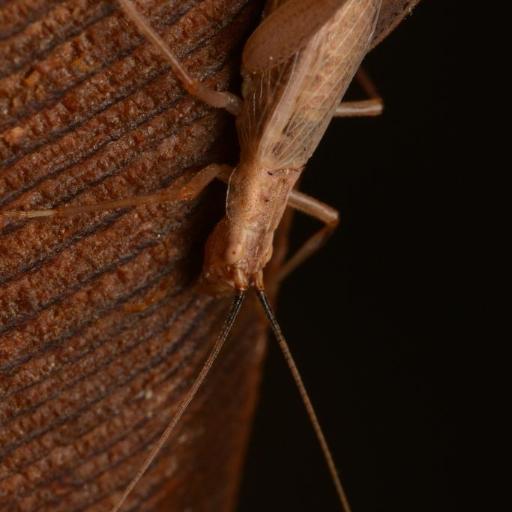
- 🍃 Body Shape: A very slender, elongated body that is typically a pale mint green or a dusty straw-yellow, allowing it to vanish against a leaf.
- 🕊️ Wings: Large, paddle-shaped wings that are nearly transparent with visible delicate veining; when at rest, they lie flat across the back.
- 📡 Antennae: Features incredibly long, thread-like antennae that often extend well past the length of the entire body to sense vibrations.
🌲 Habitat & Ecology
- 🍽️ The Garden Janitor: These crickets are beneficial predators that spend their nights hunting aphids, scale insects, and small caterpillars, though they may occasionally nibble on soft fruit or pollen.
- 🏡 High-Rise Living: Unlike field crickets that hide under rocks, the Western Tree Cricket prefers the "penthouse," living high up in deciduous trees, tall weeds, or dense shrubbery.
⚠️ Safety & Toxicity
- ✅ Status: Completely harmless to humans, dogs, and cats.
- 🛡️ Gentle Nature: They possess no stinger and are not aggressive; their primary defense is to flatten themselves against a twig or jump away if they feel the vibration of an approaching hand.
✨ Fun Fact
Western Tree Crickets are "living thermometers." Because they are cold-blooded, the speed of their chirping is determined by the air temperature. You can actually calculate the temperature in Fahrenheit by counting the number of chirps in 15 seconds and adding 40!
More Details








