Info
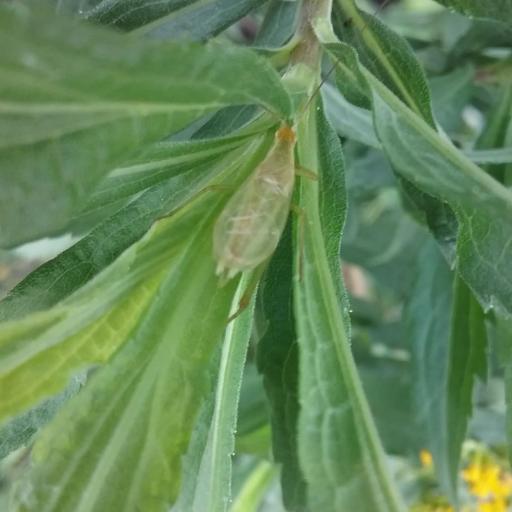
Known as the "Snowy Tree Cricket" or the "Thermometer Cricket," this delicate insect is the invisible soloist of the summer night. While you have likely heard its rhythmic, musical chirping thousands of times, its ghostly, translucent body makes it a master of disguise in the treetops. In American folklore and science alike, it is celebrated for its uncanny ability to tell us the temperature through its song.
🔍 How to Identify
- 🪽 Pale Complexion: Unlike the common black field cricket, this species is a soft, pale green or creamy white, allowing it to vanish against the underside of a leaf.
- 📏 Broad Wings: The males possess wide, paddle-shaped wings that they hold vertically over their backs when "singing" to amplify the sound.
- 📡 Fine Features: They have exceptionally long, thread-like antennae and a slender, elongated body that looks more like a leaf fragment than a typical cricket.
🌲 Habitat & Ecology
- 🌡️ The Living Thermometer: This cricket is famous for Dolbear’s Law. Because their metabolism is temperature-dependent, you can calculate the temperature in Fahrenheit by counting their chirps for 15 seconds and adding 40.
- 🦟 An Unexpected Predator: While many crickets are scavengers, the Snowy Tree Cricket is a helpful garden inhabitant. They primarily feast on aphids and scale insects, acting as a natural form of pest control for your trees and shrubs.
⚠️ Safety & Toxicity
- ✅ Friend of the Gardener: They are completely harmless to humans. They do not bite, sting, or carry diseases, and they are generally too shy to enter homes.
- 🌿 Twig Protection: The only minor "danger" they pose is to garden plants; females drill small holes in twigs to lay eggs. While this can cause small tips of branches to wither (called "flagging"), it rarely harms the overall health of the tree.
✨ Fun Fact
The Snowy Tree Cricket is the "Hollywood Star" of the insect world. Almost every time you hear a "cricket" sound effect in a movie or TV show to signify a quiet, peaceful night, the recording used is actually the rhythmic chirp of Oecanthus fultoni.
More Details








