Info
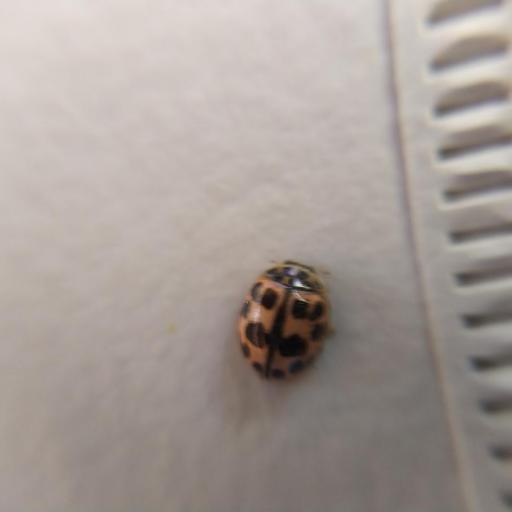
Meet the Oenopia conglobata, more affectionately known as the Pink Ladybird. While most of its cousins sport fire-engine red, this delicate beetle opts for a softer palette of pastel pink or creamy beige. It is a tiny, tireless warrior for your garden, spending its life patrolling tree canopies to hunt down pests.
🔍 How to Identify
- 🎨 Color Palette: The base color is a distinctive pale pink, light yellow, or ochre, which sets it apart from the common red or orange species.
- 🔳 Square Spots: It typically features 16 black spots. Unlike the round dots on other ladybugs, these are often slightly rectangular or "blocky," and sometimes they even merge into one another.
- 🛡️ The Pronotum Pattern: The shield-like area behind the head is pale with a symmetrical black pattern that looks a bit like a crown or a jagged "M."
🌲 Habitat & Ecology
- 🌳 The Tree Specialist: This ladybird is an "arboreal" species, meaning it prefers height. You are far more likely to find it on the leaves of Poplar, Willow, and Linden trees than in the grass.
- 🍽️ Aphid Hunter: It is a gardener’s best friend. Both the larvae and the adults have an insatiable appetite for aphids and other small, leaf-sucking insects, providing natural pest control for your backyard.
- 💤 Social Hibernators: In the winter, they don't like to be alone. You might find dozens of them huddled together in the crevices of tree bark or even around window frames to stay warm.
⚠️ Safety & Toxicity
- ✅ Harmless Friend: The Pink Ladybird is completely safe for humans and does not sting or bite.
- 🟡 Reflex Bleeding: If it feels threatened, it may secrete a tiny drop of yellow fluid (hemolymph) from its leg joints. It smells slightly bitter and can stain fingers, but it is not toxic; it’s just a "stinky" way to tell predators to go away.
- 🐾 Pet Safety: While not poisonous, the bitter taste of their defensive fluid usually ensures that a curious dog or cat won't try to eat a second one.
✨ Fun Fact
Unlike many insects that fly away at the first sign of winter, Pink Ladybirds are known for their extreme "site fidelity"—they often return to the exact same tree or wall to hibernate year after year, sometimes in the hundreds!
More Details








