Info
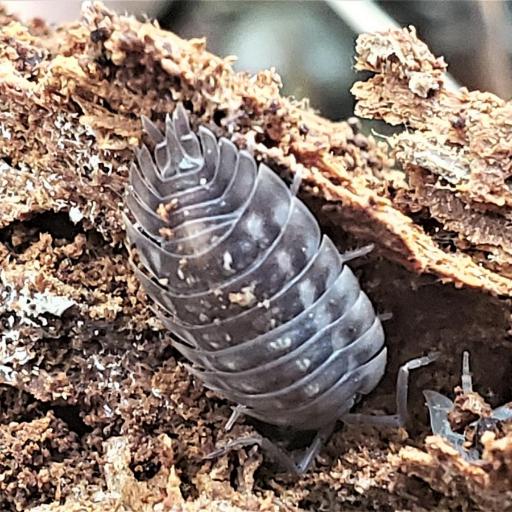
Often called the Shiny Woodlouse or Sowbug, Oniscus asellus is a master of the damp shadows. Despite its insect-like appearance, this little garden resident is actually a land-dwelling crustacean—an ancient ocean traveler that moved to the forest floor millions of years ago. It plays a vital role in the garden's "cleanup crew," turning fallen leaves into rich compost.
🔍 How to Identify
- 🐚 The Shield: Features a broad, flattened oval body with a distinct "skirted" edge that makes it look wider than other woodlice.
- ✨ Glossy Finish: Its back is noticeably shiny and smooth, usually slate-gray or dark brown with pale, mottled patches.
- 🦵 Fourteen Legs: As a crustacean, it sports seven pairs of legs, a clear giveaway that it isn't a six-legged insect.
- 📡 Twin Tails: Look for two small, pointed structures called uropods sticking out from its rear end.
🌲 Habitat & Ecology
- 🍂 Nature’s Recycler: This species is a detritivore, meaning its primary diet consists of decaying organic matter. It is a hero of the compost pile, breaking down tough cellulose into nutrients plants can use.
- 💧 The Need for Moisture: Because they breathe through gill-like structures (pleopods), they must live in damp environments. You’ll find them tucked away under rotting logs, loose bark, or paving stones to stay hydrated.
- 🚫 Flat and Fast: Unlike the Pill Bug (Armadillidium), the Shiny Woodlouse cannot roll into a ball. Instead, it relies on its flattened shape to squeeze into tiny crevices to escape predators like spiders and centipedes.
⚠️ Safety & Toxicity
- 🛡️ Completely Harmless: These creatures are gentle giants of the undergrowth. They do not bite, sting, or produce any venom.
- 🏠 Household Guest: While they occasionally wander indoors, they cannot survive long in the dry air of a home. They pose no threat to your furniture or food.
- 🐾 Pet Friendly: They are non-toxic to cats and dogs and are even kept by reptile hobbyists as "cleaner crews" for terrariums.
✨ Fun Fact
- Heavy Metal Heroes: Woodlice have a "superpower"—they can safely ingest and crystallize heavy metals like copper, zinc, and lead in their midgut. This helps remove toxic pollutants from the soil, effectively cleaning the environment as they crawl!
More Details








