Info
Often called the Broken-horned Dung Beetle, this tiny powerhouse is a master of the underworld. Despite its humble size, it is a vital part of the pasture ecosystem, acting as nature’s most efficient recycler. In ancient times, its scarab relatives were revered as symbols of the sun’s movement across the sky, a nod to the beetle's tireless work moving earth and waste.
🔍 How to Identify
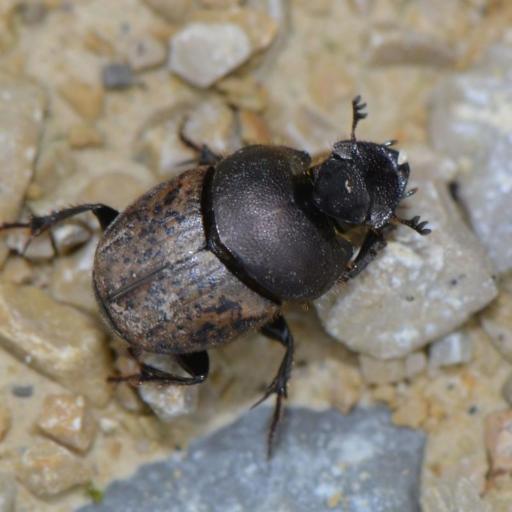
- 🪲 The "Broken" Horn: Males possess a distinct, small horn on the back of the head that often looks notched or angled, giving the species its unique name fracticornis.
- 🛡️ Compact Shield: The body is oval and highly convex, usually appearing dark black or a deep, bronzed metallic brown with a subtle oily luster.
- ⛏️ Digging Tools: Their front legs are wide and flattened with serrated "teeth" along the edges, functioning like biological shovels for moving heavy soil.
🌲 Habitat & Ecology
- 💩 The Tunneler Strategy: Unlike "rollers" who move dung balls across the surface, this beetle is a "paracoprid." It digs deep vertical tunnels directly beneath animal waste to create a safe nursery for its larvae.
- 🌱 Pasture Protector: By burying manure, these beetles significantly reduce fly populations and return essential nitrogen to the soil, acting as a natural fertilizer and soil aerator for farmers and gardeners.
⚠️ Safety & Toxicity
- ✅ Friend of the Garden: This insect is completely harmless to humans and pets. It does not bite, sting, or carry any venom.
- 🧼 Hygiene First: While the beetle itself is clean, its primary habitat is animal manure. If you or a curious pet handle one, a quick hand-wash is recommended to prevent the spread of bacteria found in the soil or dung.
✨ Fun Fact
Dung beetles are the only known non-human animals to navigate using the Milky Way! While Onthophagus fracticornis mostly uses its keen sense of smell, its cousins use the light of our galaxy to ensure they travel in a straight line away from competitors.
More Details








