Info
While the name might sound like a botanical species, Operophtera fagata is actually a resilient "winter ghost" of the insect world. Commonly known as the Northern Winter Moth, this fascinating creature defies the seasons by emerging when most other insects have long since gone into hibernation. They are a classic example of nature’s ability to adapt to the biting cold of late autumn and early winter in deciduous forests.
🔍 How to Identify
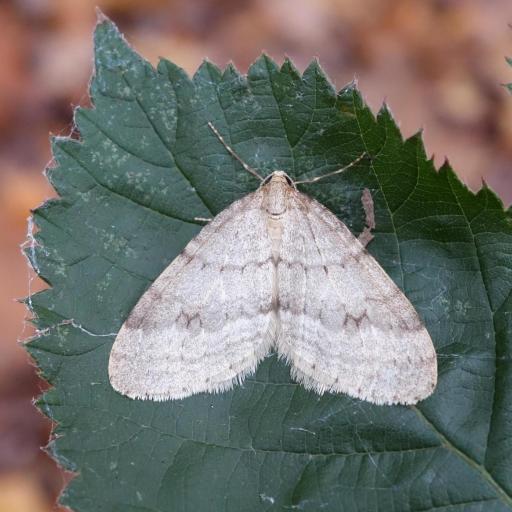
- 🦋 The Winged Males: The males are delicate, pale greyish-brown moths with a slightly translucent appearance. Their wings feature faint, darker wavy lines and a characteristic silken fringe along the edges.
- 🕷️ The "Spider-Like" Females: In a strange evolutionary twist, females are flightless. They possess only tiny, vestigial wing stubs and look more like long-legged spiders than moths as they crawl up tree trunks to find a mate.
- 🐛 The Looper Larvae: In the spring, the caterpillars appear as bright green "inchworms" with pale longitudinal stripes. They move with a distinctive "looping" motion, often seen dangling from silk threads when disturbed.
🌲 Habitat & Ecology
- 🌳 Host Specialties: As the name fagata suggests, they have a strong preference for Beech (Fagus) trees, though they are frequently found on Birch, Apple, and Hazel in temperate forests and orchards.
- ❄️ Frosty Romance: These insects are active from October to December. While most life shuts down, the wingless females climb to the high branches to release pheromones, attracting the flying males during the year's first frosts.
- 🍂 Nutritional Foundation: Though gardeners might worry about leaf damage, these caterpillars are a critical food source for woodland birds. Their hatching is perfectly timed with the arrival of spring nestlings.
⚠️ Safety & Toxicity
- 🛡️ Harmless Resident: The Northern Winter Moth is entirely harmless to humans and pets. They do not bite, sting, or possess irritating hairs like some other caterpillar species.
- 🍎 Orchard Note: If you grow fruit trees, keep an eye on the "loopers" in May. While they rarely kill a tree, a high population can cause significant "shot-holing" in leaves, which might slightly reduce your fruit yield.
✨ Fun Fact
Because the females cannot fly, their entire life is often spent on or near the single tree where they hatched. If they want to move to a new area, they have to rely on "ballooning" as tiny caterpillars—spinning a long silk thread and letting the wind carry them like a kite to a neighboring tree!
More Details








