Info
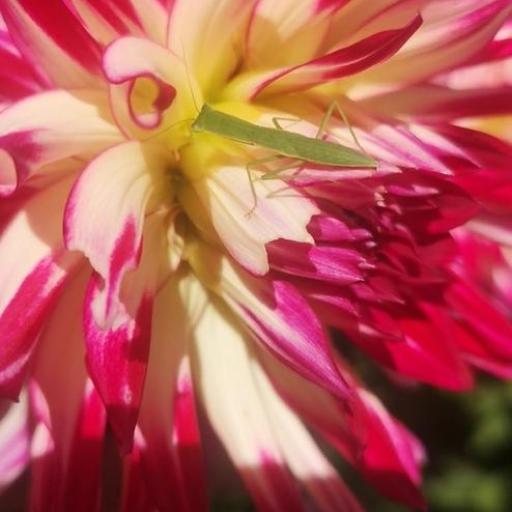
Often called the New Zealand Praying Mantis or Kōwhitiwhiti Mako, this bright green sentinel is a beloved native of Aotearoa. Unlike many other mantis species, this local hero is a peaceful garden resident that avoids the "cannibalistic" reputation of its cousins. It spends its days perfectly still, mimicking a leaf while waiting for a pesky fly to wander too close.
🔍 How to Identify
- 🛡️ The Shield Neck: The most distinct feature is its pronotum (the section behind the head), which is very wide and flat with smooth edges, looking almost like a tiny green shield.
- 💙 The Blue Spot: If you look at the inside of its powerful front grasping legs, you will see a vivid, beautiful patch of blue and purple.
- 🎨 Vibrant Green: They are almost always a consistent, bright "leaf green." Unlike the invasive South African mantis, they very rarely appear in brown or straw colors.
🌿 Habitat & Ecology
- 🕷️ The Ambush Expert: You will find them perched on shrubs, flower heads, or even fence posts. They are generalist predators, meaning they act as a natural "pesticide" by eating flies, moths, and aphids that might damage your garden.
- ⚔️ Native vs. Invader: This species is currently under pressure from the invasive South African Mantis. You can tell the native version apart because it is smaller, sleeker, and lacks the two tiny white spots often found on the wings of the invasive species.
- 🥚 Architectural Eggs: Their egg cases (oothecae) are neat, tiny, woody-looking structures usually attached to flat surfaces like twigs or the undersides of leaves.
⚠️ Safety & Toxicity
- ✅ Friend of the Gardener: They are completely harmless to humans. They have no venom, no sting, and are not aggressive toward people.
- 🤏 Gentle Handling: While they might give a tiny "pinch" with their front legs if handled very roughly, they are generally calm enough to be picked up and moved back to a plant if they wander indoors.
✨ Fun Fact
The New Zealand Mantis is a bit of a romantic outlier in the insect world. While many female mantises are famous for eating the male's head after mating, the native New Zealand species almost never engages in this behavior!
More Details








