Info
The Cribrate Weevil, often known as the "Mediterranean Fruit Weevil," is a stealthy nocturnal visitor that gardeners frequently notice through its handiwork rather than its physical presence. Originating from the Mediterranean basin, this flightless beetle has traveled the globe, earning a reputation as a persistent "night raider" of orchards and ornamental gardens. If you find your leaves looking like they’ve been trimmed with pinking shears overnight, you likely have this tiny architect to thank.
🔍 How to Identify
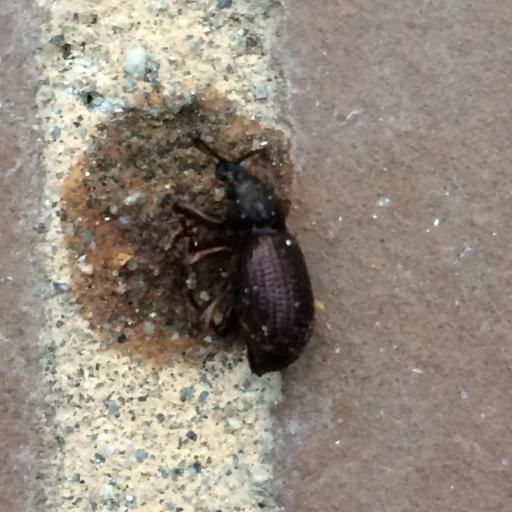
- 🪲 The "Cribrate" Texture: Its name comes from the Latin cribrum (sieve), referring to the rows of distinct, deep pits or punctures covering its hard, rounded wing cases.
- 👃 The Snout: Like all true weevils, it possesses a "rostrum" or snout, though in this species, it is relatively short and blunt compared to its long-nosed cousins.
- 🌑 Color and Finish: They are typically a matte dark brown to charcoal black, often camouflaged with bits of soil or debris that cling to their pitted backs.
- 🚫 Flightless Form: You will never see this insect fly; its wing covers are fused together, meaning it must walk everywhere it goes.
🌲 Habitat & Ecology
- 🌙 Nocturnal Habits: These weevils are masters of the "hide and seek" game. They spend their daylight hours tucked away in the soil or under mulch, only climbing up plant stems once the sun goes down to feed.
- 🍽️ Dietary Patterns: While they are famous for attacking olive trees and grapevines, they are not picky. They enjoy a wide range of garden plants, including roses, ivy, and citrus, creating characteristic "C-shaped" notches along the edges of leaves.
- 🐛 The Hidden Threat: While the adults eat the leaves, their larvae live underground, munching on the fine root hairs of plants, which can sometimes weaken younger shrubs more than the leaf damage does.
⚠️ Safety & Toxicity
- ✅ Harmless to Humans: The Cribrate Weevil is completely non-toxic and lacks the ability to bite or sting people or pets.
- 🪴 Garden Foe: Its only "danger" is to your landscaping. Because they cannot fly, they are often managed by placing sticky bands around tree trunks to catch them as they crawl up at night.
✨ Fun Fact
The Cribrate Weevil is part of a "feminist" biological phenomenon; in many populations, there are no males at all! The females reproduce via parthenogenesis, meaning they can lay fertile eggs without ever needing a mate. Every single weevil you see is a female capable of starting a new colony all on her own.
More Details








