Info
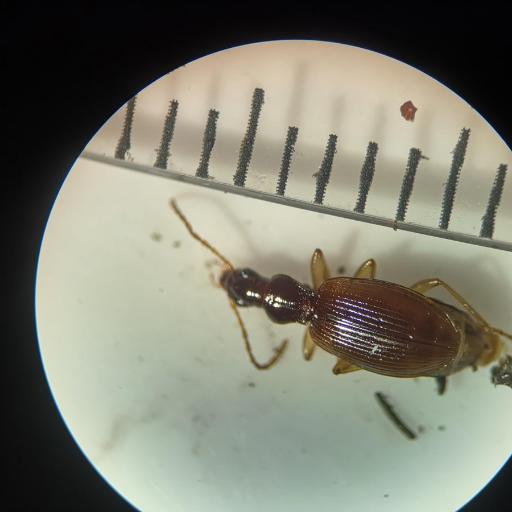
The Oxypselaphus obscurus is a small, sleek ground beetle that thrives in the shadows. Often overlooked due to its dark, "obscure" coloring, this beetle acts as a miniature guardian of damp garden corners and forest floors. It belongs to the Carabidae family, a group of beetles celebrated by gardeners for their predatory appetite for common garden pests.
🔍 How to Identify
- 🪲 Body Shape: It features a graceful, elongated oval body, typically measuring between 5 to 6 millimeters in length.
- 🌑 Coloration: Its upper surface is usually a deep, pitchy black or dark brown, but if you look closely at its legs and the base of its antennae, you’ll notice a contrasting yellowish or reddish-brown tint.
- 📏 The Pronotum: The "shield" behind its head is notably narrow and heart-shaped, which helps distinguish it from other similar-looking ground beetles.
🌲 Habitat & Ecology
- 💧 Moisture Lover: This beetle is a specialist of damp environments. You are most likely to find it hiding under decaying leaves, moss, or logs near riverbanks, marshes, or in particularly well-watered garden beds.
- 🍽️ The Night Hunter: As a nocturnal predator, it spends its nights sprinting across the ground. It primarily feeds on small invertebrates, including tiny insect larvae, mites, and small slugs, making it a natural form of pest control.
⚠️ Safety & Toxicity
- ✅ Status: Completely harmless to humans and pets.
- 🛡️ Defensive Strategy: Like many ground beetles, it may release a pungent-smelling liquid if it feels threatened to deter birds or larger insects, but it lacks a stinger and its mandibles are too small to pierce human skin.
✨ Fun Fact
Ground beetles like the Oxypselaphus obscurus are considered "Bioindicators." Because they are sensitive to pesticides and changes in soil moisture, seeing a healthy population of them in your backyard is a sign that your local ecosystem is balanced and chemical-free!
More Details








