Info
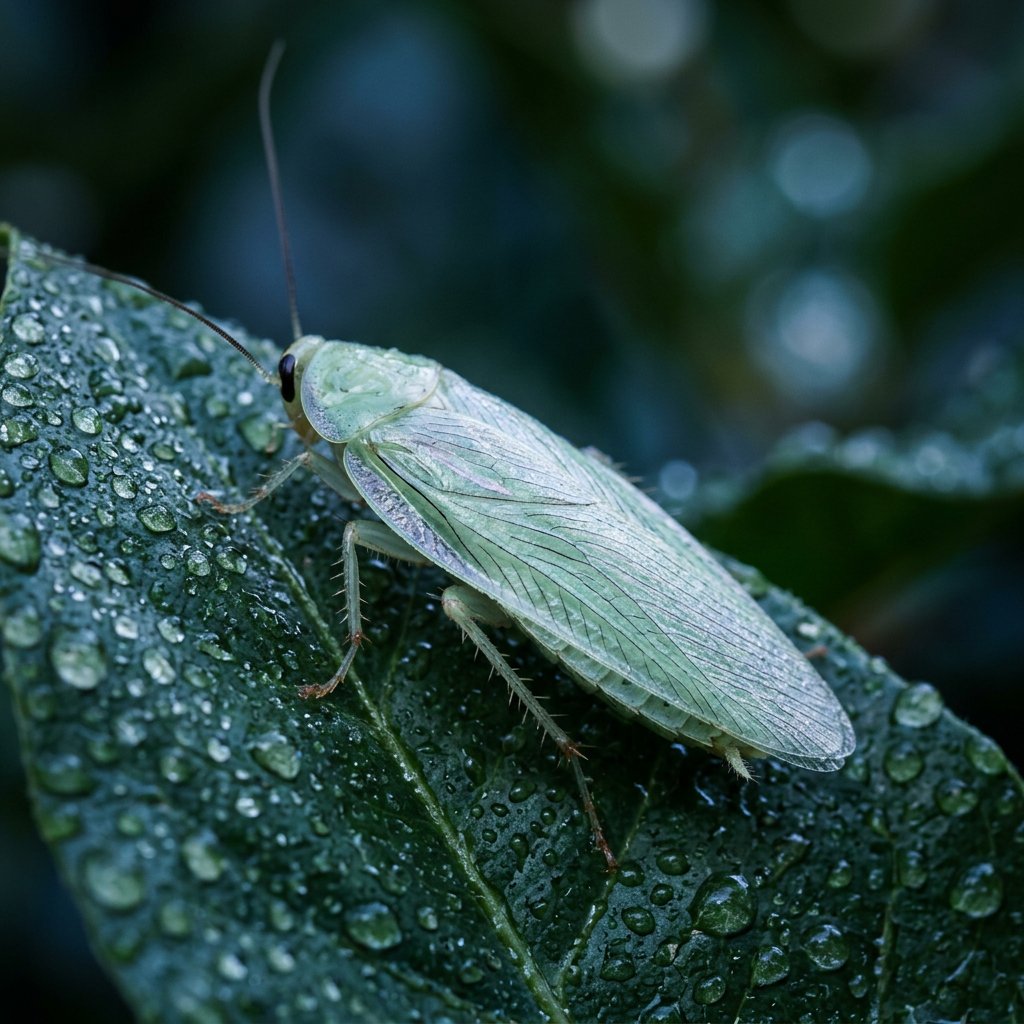
Often called the Cuban Cockroach or Green Banana Cockroach, this insect is the "glamour model" of the roach world. Unlike its dingy brown cousins that hide in kitchen cabinets, this species boasts a vibrant, minty-green hue and prefers the tropical canopy over your pantry. While the word "cockroach" usually triggers a panic, these are actually beneficial outdoor residents that keep tropical ecosystems clean.
🔍 How to Identify
- 🟢 Vibrant Color: Adults are a stunning, translucent lime or pale green, helping them blend perfectly with tropical foliage.
- 🪽 Agile Flyers: They possess long, delicate wings that extend past the tip of their abdomen; unlike house roaches, they are strong and frequent flyers.
- 📏 Slim Profile: They have a flattened, oval-shaped body, typically reaching about 1 inch in length, with thin, pale antennae.
🌲 Habitat & Ecology
- 🍌 Fruit Lovers: As their name suggests, they are often found near banana plants or tropical fruit trees where they feed on ripening fruit and plant matter.
- 💡 Light Seekers: While most roaches scatter when the lights come on, Panchlora nivea is strongly attracted to bright outdoor lights and may accidentally fly toward your porch at night.
- 🌿 Humidity Dependent: These insects are arboreal (tree-dwelling) and require high humidity to survive; they rarely live long or breed inside the average dry household.
⚠️ Safety & Toxicity
- 🛡️ Non-Pest Status: This species is not a structural pest. They do not want to live in your walls or eat your stored grains, making them "nuisance" insects rather than true pests.
- 🚫 Harmless: They do not bite, sting, or carry the same filth-associated diseases as the common German or American cockroach. They are generally clean and keep to themselves in the garden.
✨ Fun Fact
While the adults are a beautiful bright green to hide among leaves, the nymphs (babies) are actually dark brown or black and live underground. They only undergo their "glow-up" and turn green after their final molt to prepare for a life in the treetops!
More Details








