Info
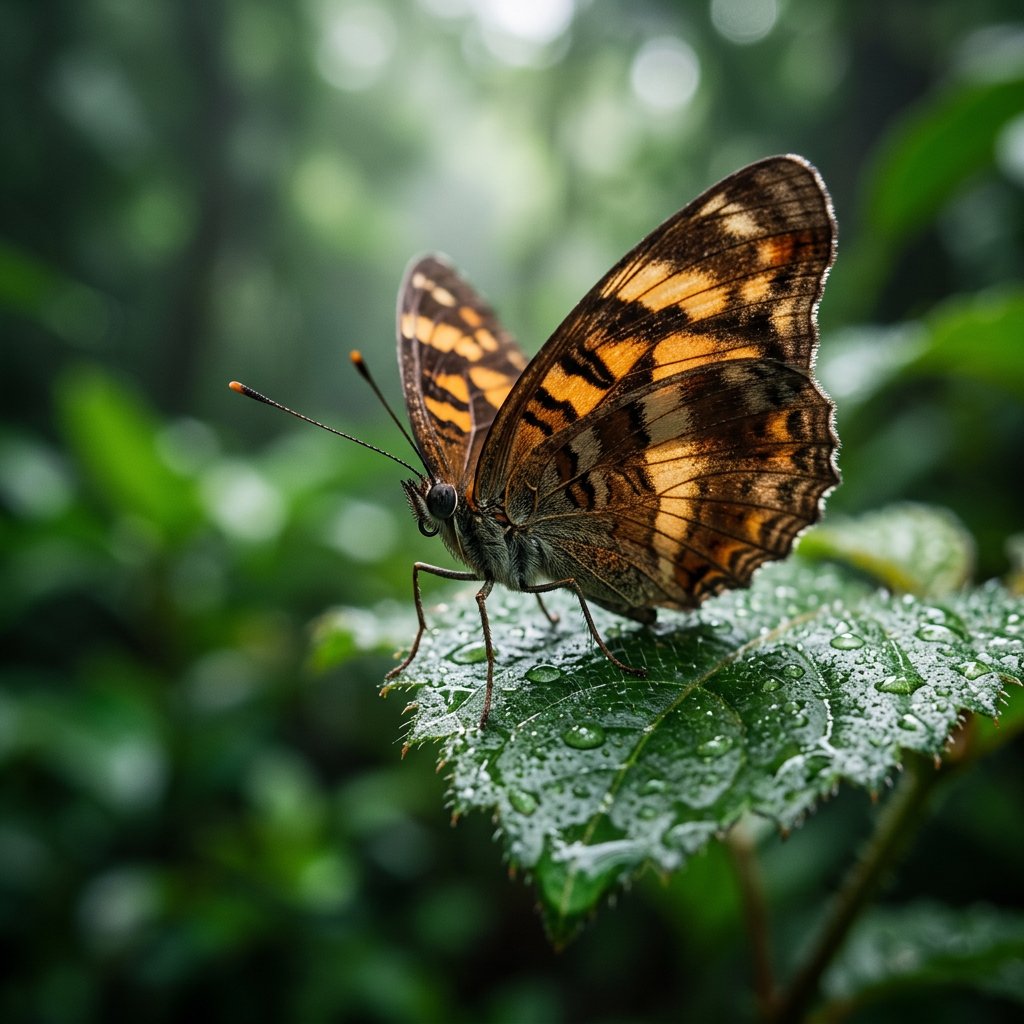
Known as the Common Lascar, this butterfly is a master of the forest edge, easily recognized by its bold, tiger-like stripes. It is a common sight across South and Southeast Asia, often seen patrolling sun-dappled paths with a very distinctive "flap-flap-glide" rhythm. In some regions, its steady, predictable flight pattern has earned it a reputation as one of the most tranquil spirits of the undergrowth.
🔍 How to Identify
- 🦋 The "Lascar" Stripes: The upper wings feature striking horizontal bands of bright orange and deep brownish-black, resembling a nautical or military rank insignia.
- ✈️ Sailing Flight: Unlike the erratic flight of many butterflies, the Common Lascar moves with a rhythmic sequence of short wing beats followed by a long, flat glide.
- 🍂 Cryptic Underside: When the wings are closed, the underside shows a much paler, mottled orange-brown pattern that helps the butterfly disappear against dried leaves and bark.
🌲 Habitat & Ecology
- 🌿 Forest Edge Residents: They prefer low-elevation forests, scrublands, and moist deciduous forests. You will often find them resting on the tips of leaves about two to three meters above the ground.
- 💧 Mud Puddling: Males are frequently seen gathered on damp patches of earth or near forest streams. They "puddle" to extract essential minerals and salts from the soil, which are vital for their reproductive success.
- 🐛 Specific Hosts: The larvae are quite picky, feeding primarily on plants in the legume family (Fabaceae), such as Acacia and Albizia, where they blend in perfectly with the feathery foliage.
⚠️ Safety & Toxicity
- ✅ Harmless: The Common Lascar is a gentle "friend" of the garden and forest. It possesses no stinger, does not bite, and is not known to be toxic.
- 🐾 Pet & Child Safe: There are no safety concerns for curious pets or children. They are delicate creatures that are best observed from a short distance to avoid damaging their fragile wings.
✨ Fun Fact
The name "Lascar" historically refers to sailors or militiamen from South Asia. These butterflies were given the name by early naturalists because their striped wing patterns resembled the striped uniforms worn by those sailors!
More Details








