Info
Often called the Citrus Swallowtail or the Christmas Butterfly, this vibrant visitor is one of the most striking insects you’ll encounter in your garden. While its name might sound botanical, it is actually a majestic butterfly famous for its relationship with lemon and orange trees. In Sub-Saharan Africa, it is known as the "Christmas Butterfly" because it emerges in great numbers during the festive summer season.
🔍 How to Identify
- 🦋 The Wings: It features a bold palette of black and pale yellow. The upper wings are densely marked with yellow spots that form broken bands against a deep black background.
- 👁️ False Eyespots: Look closely at the hindwings to find two distinct "eyes"—one orange and blue, and another smaller one near the tail—designed to confuse predators into attacking the wrong end.
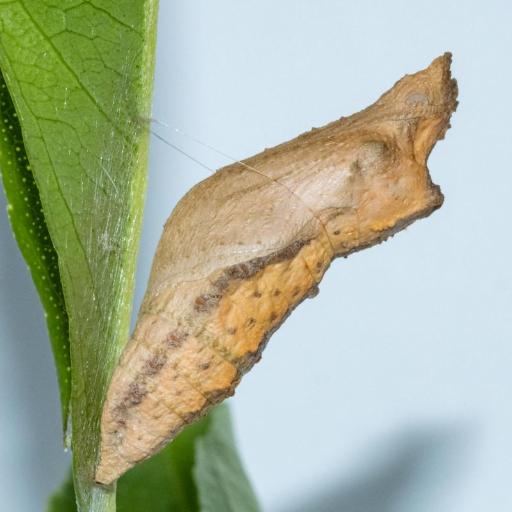
- 🐛 The "Orange Dog": Before it flies, it exists as a large green caterpillar. In its early stages, it cleverly mimics a glistening bird dropping to avoid being eaten.
🌲 Habitat & Ecology
- 🍋 Host Plants: This butterfly is a specialist; it specifically seeks out plants in the Rutaceae family (like lemons, oranges, and Rue) to lay its eggs. While the caterpillars eat the leaves, the damage is usually cosmetic and rarely kills a healthy tree.
- 🌸 Active Pollinator: As an adult, it is a high-energy flyer. You will see it "puddle" (drinking from damp soil for minerals) or hovering over nectar-rich flowers like Zinnias and Lantanas, helping your garden thrive.
⚠️ Safety & Toxicity
- ✅ Harmless: The Citrus Swallowtail is completely safe for humans, children, and pets. It does not possess a stinger or any biting mandibles.
- 👃 The Stink Horn: If the caterpillar feels threatened, it will extend a bright orange, Y-shaped organ called an osmeterium from its head. This releases a pungent, citrusy-chemical odor to drive away ants and birds.
✨ Fun Fact
The Papilio demodocus is a master of disguise. Its transition from looking like a "bird dropping" to a "green leaf" as it grows is one of nature’s most effective examples of protective camouflage!
More Details








