Info
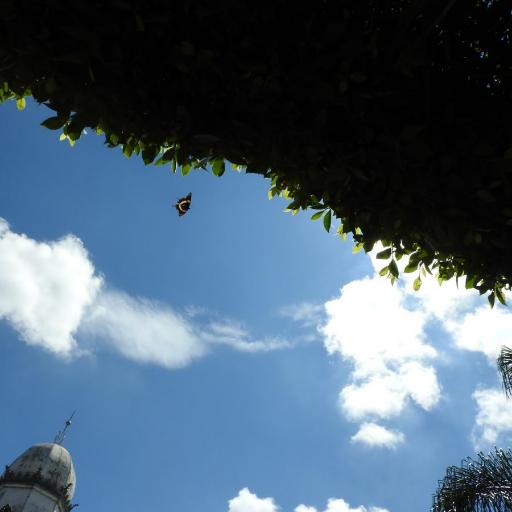
The Magnificent Swallowtail, also known as Papilio garamas, is a high-flying jewel of the Americas, most famous for its dramatic size and bold, contrasting colors. Often found gliding through the cloud forests of Mexico and parts of the southwestern United States, it is a favorite among butterfly watchers who appreciate its "swallow-like" tails and regal presence. This butterfly is a master of the air, using its broad wings to navigate both deep woods and sunny backyard gardens.
🔍 How to Identify
- 🦋 Wing Pattern: A striking, broad yellow or creamy-white band cuts across velvety black or dark chocolate-brown wings, creating a high-contrast "V" shape when resting.
- 📐 Swallow Tails: Each hindwing features a long, elegant "tail" extension that mimics the look of a swallow's tail, helping to distract predators away from its vital body.
- 📏 Impressive Size: One of the larger swallowtails in its range, boasting a wingspan that can reach up to 5 inches, making it hard to miss when it takes flight.
🌲 Habitat & Ecology
- 🌳 Pollination Partner: As adults, they are frequent visitors to gardens, darting between nectar-rich flowers like Lantana and Zinnias, playing a crucial role in local pollination.
- 🍃 Host Selection: Female butterflies are very picky, searching specifically for plants in the Laurel (Lauraceae) or Citrus families to lay their eggs so the emerging larvae have the perfect food source.
- ⛰️ Elevation Lovers: While they occasionally drift into suburban areas, they are naturally at home in humid mountain forests and along the edges of wooded ravines.
⚠️ Safety & Toxicity
- 🤝 Status: Completely harmless and a definite "friend" to humans and pets alike.
- 👐 Handle with Care: They possess no stingers or biting mouthparts. However, like all butterflies, their wings are covered in microscopic scales that can be easily damaged by human touch, so it is best to observe them with your eyes or a camera.
✨ Fun Fact
🐍 The Ultimate Disguise: To survive their vulnerable youth, the caterpillars of this species are masters of mimicry. When they are small, they look exactly like fresh bird droppings to avoid being eaten; as they grow larger, they develop "false eyes" on their heads to look like a scary snake!
More Details








