Info
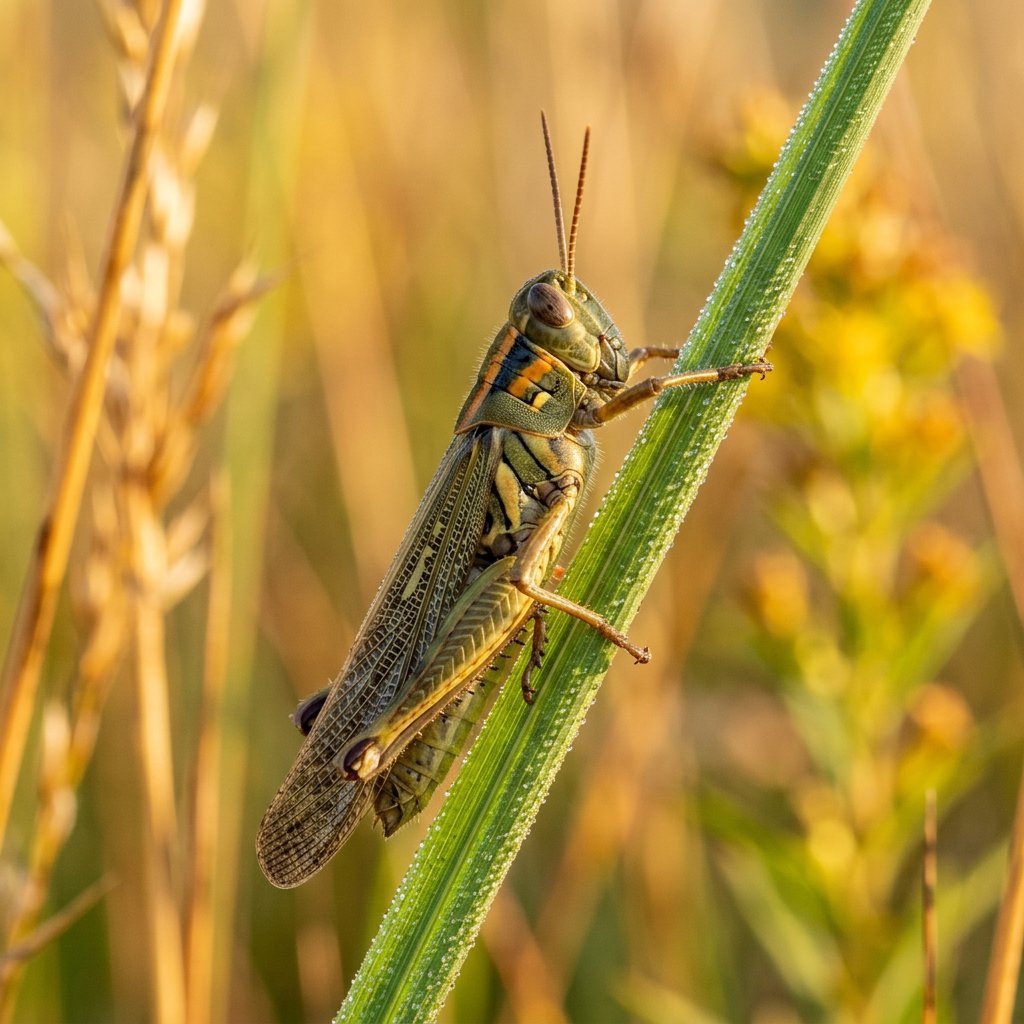
Paracinema tricolor, commonly known as the Tricolored Grasshopper, is a vibrant jewel of the wetlands and damp meadows. While most grasshoppers are masters of brown-and-tan camouflage, this species leans into a striking palette of lime greens and earthy ochres. It is often found clinging to tall blades of grass near riverbanks, acting as a small but vital link in the local ecosystem’s food chain.
🔍 How to Identify
- 🎨 The "Racing Stripes": Features a distinctive pattern of longitudinal green and brown stripes running from the head along the wing cases.
- 📏 Slender Silhouette: Unlike the chunky "lubber" grasshoppers, this species has a very streamlined, aerodynamic body built for quick escapes.
- 🦵 Colorful Hind Legs: The interior of the jumping legs often features subtle tints of red or orange, which are usually only visible when the insect is in flight.
🌲 Habitat & Ecology
- 🌊 The Water Lover: Unlike its desert-dwelling cousins, this grasshopper is a "hygrophilous" species, meaning it thrives in high-humidity environments like marshes, bogs, and irrigated fields.
- 🥗 Specialized Diet: It is primarily a grass-feeder (graminivorous), spending its days munching on lush sedges and reeds that grow near the water's edge.
- ✈️ Strong Flier: Because its habitat can be seasonal or prone to flooding, it is a surprisingly capable flier, moving easily between patches of green vegetation.
⚠️ Safety & Toxicity
- 🧘 Harmless Neighbor: This insect is completely non-toxic and lacks any form of stinger or venom; it prefers jumping away over any kind of confrontation.
- 🐾 Pet & Child Friendly: They are safe to observe and even handle gently. They do not bite, though their scratchy "feet" (tarsi) might feel a bit ticklish on sensitive skin.
✨ Fun Fact
The Tricolored Grasshopper is considered a "bio-indicator." Because it requires very specific moisture levels to survive, its presence usually signals a healthy, well-hydrated wetland environment that hasn't been overly drained or polluted!
More Details








