Info
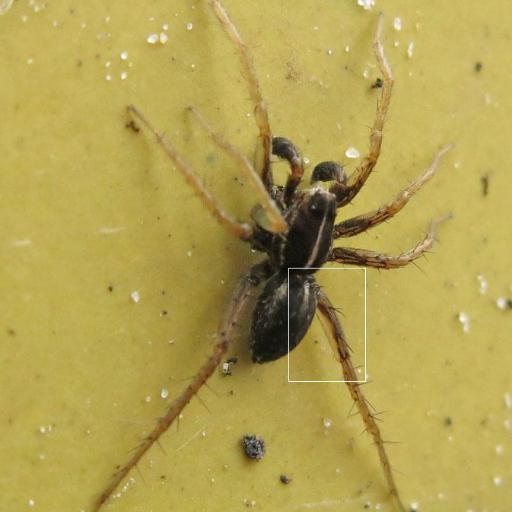
Often spotted darting through tall grass like a miniature cheetah, the Pardosa palustris, or Marsh Wolf Spider, is one of the most common "prowlers" in the backyard. While they belong to the spider family rather than being true insects, these "lone wolves" are a gardener’s best friend. They don't bother with messy webs, preferring to use their incredible speed and eyesight to hunt down garden pests on foot.
🔍 How to Identify
- 👁️ The Eye Pattern: They possess eight eyes, with two large, forward-facing eyes that give them a distinct, "alert" expression and excellent depth perception for hunting.
- 📏 Body Markings: Look for a dark brown or grayish body with a prominent, pale median stripe running down the center of the head (cephalothorax) and two lighter bands on the sides.
- 🏃 The "Wolf" Gait: They are easily identified by their movement; they move in quick, jerky bursts across the ground rather than hanging from silk.
🌲 Habitat & Ecology
- 🦗 Pest Control: These spiders are elite predators of the undergrowth. They spend their days patrolling soil and grass for aphids, small flies, and crickets, keeping your plant's enemies in check.
- 🌾 Sun Seekers: You will often find them in open grasslands, damp meadows, or sunny garden patches. They love to bask on flat stones or leaves to regulate their body temperature before a hunt.
⚠️ Safety & Toxicity
- 🕷️ Status: Generally harmless and very shy. Their first instinct is always to run away and hide in the grass rather than bite.
- 🩹 Human Impact: While they do have venom to subduing insects, it is not medically significant to humans. A defensive bite (which only happens if they are squeezed) usually feels like a minor pinprick or a mild bee sting.
- 🐾 Pets: They pose no threat to curious cats or dogs. However, if a pet swallows one, the "crunchy" chitin might cause very minor stomach upset, but no poisoning.
✨ Fun Fact
- 🎒 The Piggyback Mom: Female Wolf Spiders are world-class mothers. They carry their spherical egg sacs attached to their spinnerets, and once the spiderlings hatch, the mother carries the entire brood—sometimes over a hundred babies—on her back for several days!
More Details








