Info
Often called the Japanese Bird Grasshopper, this large, robust jumper is a common sight across East Asia. While its impressive size can be startling—sometimes reaching the length of a human finger—it is a gentle giant of the meadows and forest edges. Its camouflaged colors and powerful flight make it a master of disappearing right before your eyes.
🔍 How to Identify
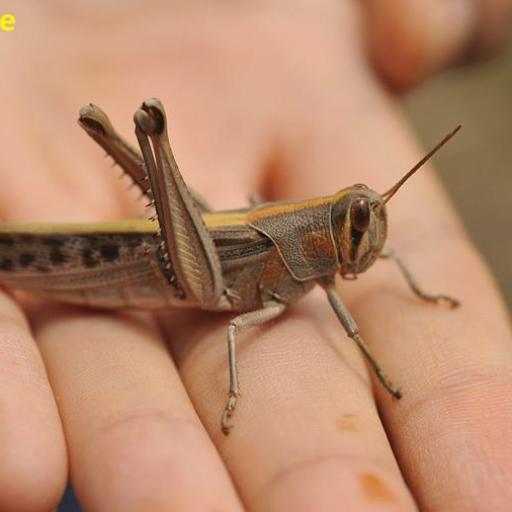
- 👁️ The "Teardrop" Eye: Look closely at the eyes; this species features a very distinct vertical black stripe running right through the center, giving it a dramatic, weeping appearance.
- 🟤 Earthy Camouflage: Unlike many bright green grasshoppers, this species is typically dressed in shades of sandy brown, gray, and tan to mimic dried leaves and bark.
- 🦵 Spined Hind Legs: Its large jumping legs are lined with small, sharp-looking spines that help it gain traction when launching into its powerful, bird-like flight.
🌲 Habitat & Ecology
- 🌾 The Winter Overcomer: Most grasshoppers die off when the frost hits, but the Japanese Bird Grasshopper is unique because it "overwinters" as an adult. You can often find them hiding in dry, tall grasses or under leaf litter during the colder months.
- 🍃 Generalist Eater: They are not particularly picky eaters, munching on a wide variety of wild grasses and occasionally visiting gardens to snack on leafy greens or agricultural crops like soy.
⚠️ Safety & Toxicity
- ✅ Harmless Neighbor: These insects are non-venomous and have no stinger. They are completely safe to have in your garden and do not pose a threat to humans or pets.
- 🤏 Mechanical Defense: If you try to pick one up, it may use its powerful hind legs to kick or "scratch" with its spines. Like most large grasshoppers, they can also deliver a small, non-toxic nip if handled very roughly.
✨ Fun Fact
🚀 The "Bird" Grasshopper: It earned its common name because its flight is so strong and sustained that people frequently mistake it for a small bird when it suddenly takes wing from the tall grass!
More Details








