Info
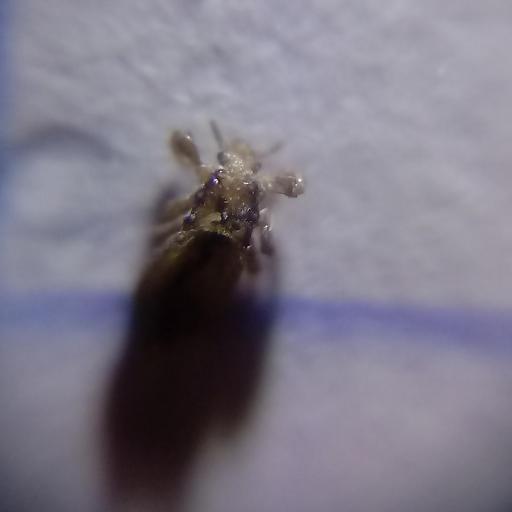
Often whispered about in school hallways and nurseries, the Human Louse is a tiny, wingless hitchhiker that has traveled alongside humanity for thousands of years. Whether they are the "head" variety or the "body" variety, these specialized insects are often misunderstood; they don't jump or fly, but they are world-class experts at the art of holding on.
🔍 How to Identify
- 🧗 Specialized Claws: Look for six legs ending in hook-like "tarsal claws," specifically evolved to grip the diameter of a human hair or clothing fiber.
- 📏 Size and Shape: They are roughly the size of a sesame seed (2–3 mm), with a flattened, elongated body that allows them to scuttle easily between strands of hair.
- 🎨 Camouflage: Their bodies are translucent to pale grey, but they can appear darker or reddish immediately after feeding.
- 🥚 The "Nits": You are more likely to see the eggs (nits) first—tiny, oval specks firmly glued to the base of hair shafts or clothing seams.
🌲 Habitat & Ecology
- 🏠 The Human Host: Unlike many insects, they are "obligate parasites," meaning they cannot survive for more than a day or two away from the warmth and food source of a human body.
- 🧛 Strict Diet: They feed exclusively on human blood, typically eating small amounts multiple times a day to maintain their energy.
- 🚫 Mobility Limits: They lack the powerful hind legs of fleas, so they cannot jump. Transmission happens almost exclusively through direct "head-to-head" or "body-to-body" contact.
⚠️ Safety & Toxicity
- 🦟 The Bite: While their bites aren't venomous, their saliva can cause an allergic reaction in most people, leading to intense itching and red bumps.
- 🧼 Hygiene Myths: Contrary to popular belief, head lice actually prefer clean hair because it is easier to attach their eggs to. Having them is not a sign of poor hygiene.
- 🤒 Disease Vector: While Head Lice are considered a nuisance rather than a medical threat, Body Lice can carry serious diseases like typhus. If you suspect an infestation, consult a healthcare professional for specific medicated treatments.
✨ Fun Fact
Scientists use the DNA of lice to track ancient human migration! Because lice are so dependent on us, their genetic evolution mirrors our own history, helping researchers figure out exactly when humans started wearing clothes (based on when body lice split from head lice).
More Details








