Info
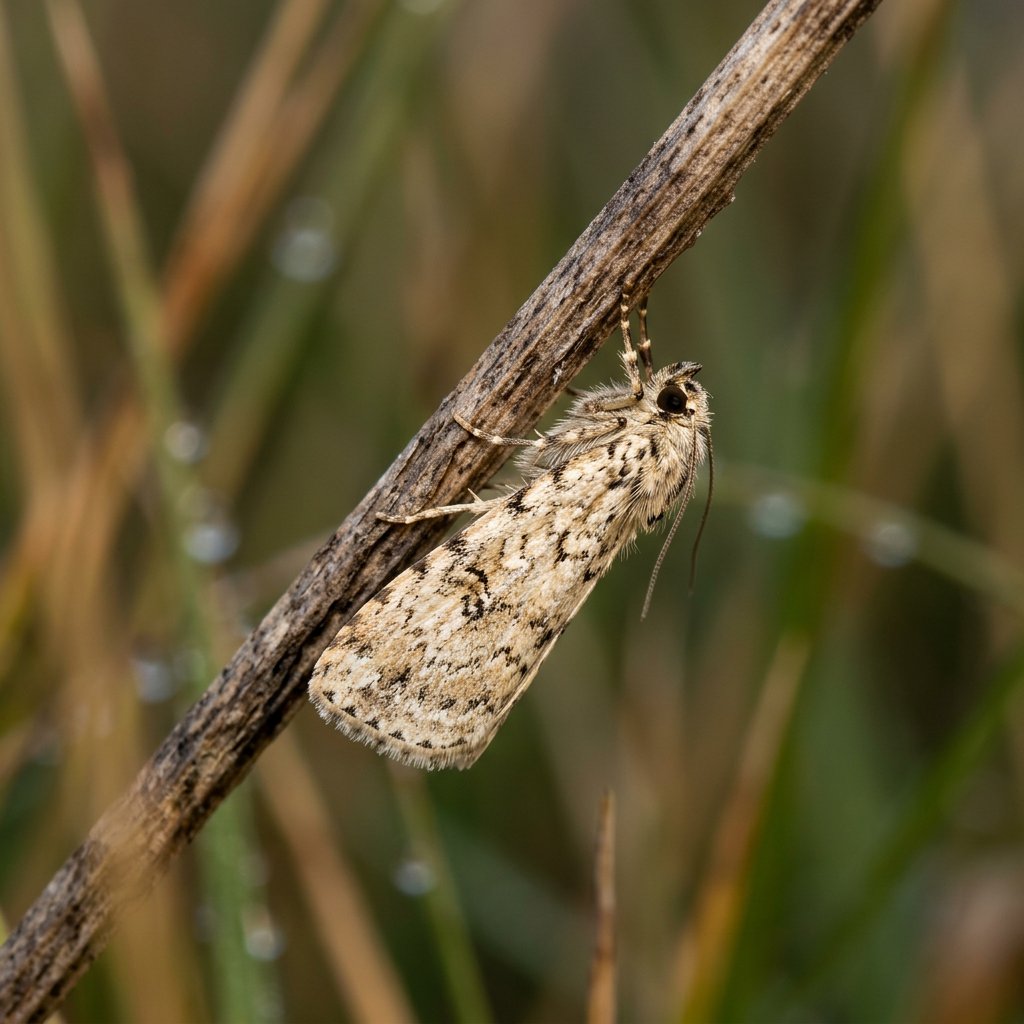
Meet the Phalonidia, a genus of tiny, intricate "Conch Moths" that often hide in plain sight. These micro-moths are the secret architects of the garden, known for their beautifully patterned wings that look like ancient tapestries under a magnifying glass. While they might be considered "foes" by those growing specific wildflowers, they are a fascinating example of how nature packs immense detail into a very small package.
🔍 How to Identify
- 🦋 The Wing Pattern: Their forewings are usually adorned with dark, transverse bands or mottled "marbled" patches of cream, brown, and sometimes metallic gold scales.
- 🔔 Bell-Shaped Silhouette: When at rest, they hold their wings in a flat, roof-like shape that resembles a tiny bell or a triangle, a classic trait of the Tortricid family.
- 📏 Micro-Size: They are incredibly small, with wingspans often ranging between 10mm and 16mm, making them easy to miss without a keen eye.
🌲 Habitat & Ecology
- 🌿 Stealthy Herbivores: As larvae, Phalonidia are "borers." Instead of munching on the outside of a leaf, they live inside the stems, seed heads, or roots of plants like Asters, Goldenrods, and Thistles.
- 🌙 Twilight Flier: Most species are crepuscular or nocturnal, meaning they are most active during dusk or at night. If you see a tiny, pale moth fluttering near your garden lights, it might be a Phalonidia.
- 🏜️ Specialist Residents: They are often found in meadows, salt marshes, or disturbed garden areas where their specific host plants—usually from the daisy family—are abundant.
⚠️ Safety & Toxicity
- 🛡️ Completely Harmless: Phalonidia moths have no sting, no bite, and do not possess any chemical irritants. They are "scary" only to the seeds of the wildflowers they inhabit.
- 🐾 Pet & Child Safe: They are non-toxic to pets and humans. If a curious cat or dog happens to catch one, there is no risk of poisoning or irritation.
✨ Fun Fact
The common name "Conch Moth" comes from the shell-like appearance of their wing patterns, which early entomologists thought resembled the swirling textures of sea shells!
More Details








