Info
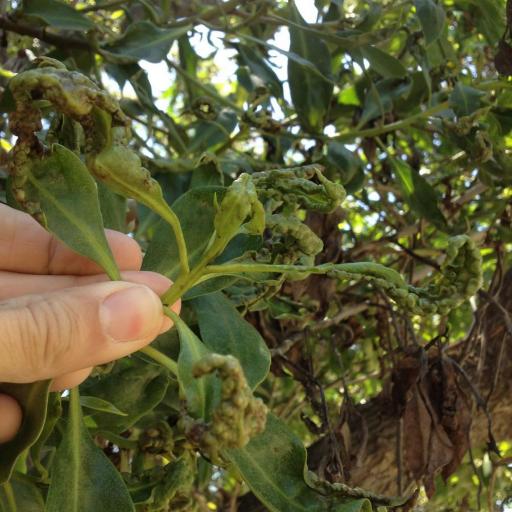
Often called Tube-tailed Thrips, these microscopic creatures are the secret architects of the plant world. While they are insects, they are so closely tied to foliage that they are often mistaken for part of a plant’s natural growth—especially when they cause leaves to curl into protective "galls." Whether they are garden villains or hidden heroes depends entirely on which specific species has moved into your backyard.
🔍 How to Identify
- 🦟 The "Tube" Tail: The easiest way to spot this family (under a magnifying glass) is the last segment of their body, which forms a distinct, narrow tube rather than a pointed or rounded end.
- 🪶 Feathered Wings: Their wings are not solid sheets but look like delicate, fringed oars or feathers, designed for "swimming" through the air rather than powerful flight.
- 📏 Tiny Slivers: They are incredibly small, usually appearing as dark, needle-thin moving specks (1–5mm) on the undersides of leaves or inside flowers.
🌲 Habitat & Ecology
- 🏡 Gall Makers: Many species are "eco-engineers." They bite into young leaves, injecting chemicals that trick the plant into growing a distorted, curled "home" (a gall) that protects the thrips from predators.
- 🐞 The Hunter vs. The Grazer: While many eat plant sap or fungus, some species are actually beneficial predators! These "good" thrips hunt down spider mites and other tiny pests, making them natural pest-control agents.
- 🍂 Hidden Lives: You will most often find them tucked away in the tightest crevices of a plant, such as inside budding flowers, folded leaves, or under loose tree bark.
⚠️ Safety & Toxicity
- ✅ For Humans: They are completely harmless to people and pets. They do not sting, and while they might land on your skin, they cannot cause any medical harm.
- 🌿 For Plants: While generally not "killers," a heavy infestation can cause "silvering" of leaves, stunted growth, or unsightly bumps and curls on ornamental plants like Ficus or Lilies.
- 🧴 Skin Irritation: On very hot days, swarming thrips may occasionally "test-bite" human skin looking for moisture, which can cause a tiny, itchy prickling sensation but no lasting rash.
✨ Fun Fact
Some species of Phlaeothripidae are "social" insects, similar to bees! They live in colonies where "soldier" thrips with oversized front legs stay near the entrance of their leaf-gall to fight off invading insects.
More Details








