Info
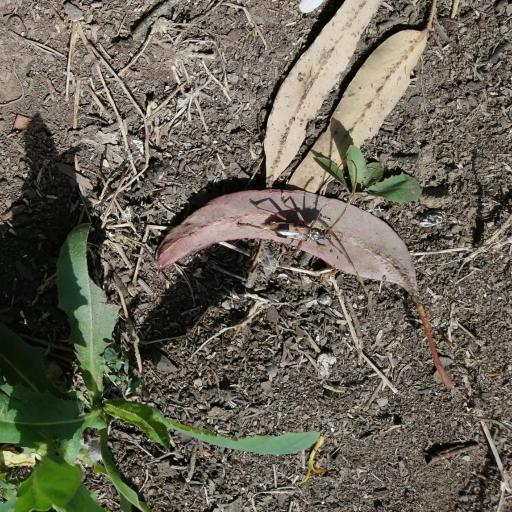
Commonly known as the Eucalyptus Longhorned Borer, this beetle looks like a creature straight out of a sci-fi film with its impossibly long, arching antennae. While it is a striking example of Australian biodiversity, it has become a notorious world traveler, hitching rides in timber to nearly every continent where Eucalyptus trees grow. To a healthy tree, it’s a minor visitor, but to a thirsty or stressed one, it is a formidable foe.
🔍 How to Identify
- 📡 The "Long Horns": Its antennae are its most striking feature, often stretching longer than its entire body, curved back like the horns of an ibex.
- 🎨 Recurved Markings: The name recurva comes from the creamy-yellow, zig-zag pattern on its dark brown wing covers (elytra). These markings look like a pair of "U" shapes or waves near the shoulders.
- 📏 Sleek Silhouette: It has a narrow, elongated body typically ranging from 15 to 30mm in length, designed for maneuvering through bark crevices.
🌲 Habitat & Ecology
- 🌳 Eucalyptus Specialist: This insect is almost exclusively attracted to Eucalyptus trees. While the adults feed on pollen and nectar, the larvae are the real "engineers," boring deep, winding galleries into the wood.
- 🕵️ Stress Detector: They have an incredible "nose" for weak trees. They can detect the chemical signals (volatile oils) released by a Eucalyptus tree that is suffering from drought or recent pruning from miles away.
- 🌙 Night Owl: You are most likely to spot them at night. During the day, they hide under loose bark to avoid predators, emerging at dusk to find a mate.
⚠️ Safety & Toxicity
- 🛡️ Non-Aggressive: The Eucalyptus Longhorned Borer is not venomous and has no stinger. It is considered harmless to humans and curious pets.
- 🤏 The "Pinch" Factor: Like most longhorned beetles, they have strong mandibles designed for chewing through wood. If you pick one up roughly, it may deliver a small, defensive nip, but it is not medically significant.
- 🏚️ Garden Threat: While safe for people, they are a "safety threat" to your landscape. If you see many of them, it’s a sign that your Eucalyptus trees may be underwatered or in decline.
✨ Fun Fact
These beetles are masters of "timber-telepathy." They are so sensitive to the scent of dying wood that they have been known to arrive at a forest fire site while the logs are still smoldering, ready to lay eggs in the heat-stressed timber!
More Details








