Info
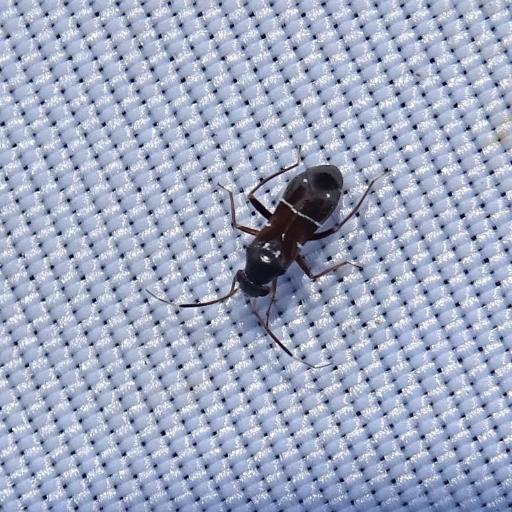
Often called the Ant-Mimic Plant Bug, insects of the genus Pilophorus are nature’s master of disguise. At first glance, you might think a stray ant is wandering along a tree branch, but a closer look reveals a clever true bug hiding in plain sight. These tiny actors use their appearance to trick both predators and prey, blending perfectly into the "busy" world of a colony.
🔍 How to Identify
- 🐜 Ant-Like Silhouette: Their bodies are narrowed in the middle, creating a faux "waist" that perfectly mimics the segmented body of a common garden ant.
- ✨ Silvery Bands: Most species feature one or two distinctive, shimmering white or silvery bands across their dark wing covers, which help break up their outline.
- 👀 Compact Antennae: Unlike ants, which have "elbowed" antennae, Pilophorus has straighter, thicker antennae that are usually held forward as they scuttle.
🌲 Habitat & Ecology
- 🍽️ Natural Pest Control: These bugs are primarily predatory, feasting on aphids, mites, and scale insects. This makes them a "friend" to gardeners, as they act as a tiny security force for your plants.
- 🌳 Tree Dwellers: You are most likely to find them on the needles of conifers (like Pine or Fir) or the leaves of deciduous trees like Oak and Willow, where they hunt among the foliage.
- 🎭 Expert Mimicry: They don't just look like ants; they move like them too! They tend to walk with a jerky, erratic pace to further sell their "ant" identity to watching birds.
⚠️ Safety & Toxicity
- 🛡️ Completely Harmless: Pilophorus insects do not sting or bite humans. They lack the aggressive mandibles or stingers of the ants they imitate.
- 🐾 Pet Safe: They are non-toxic and pose no threat to curious dogs, cats, or children. They are much more interested in hunting aphids than interacting with humans.
✨ Fun Fact
This strategy is called Myrmecomorphy (ant-mimicry). By looking like an ant, Pilophorus avoids being eaten by spiders and birds, who generally avoid ants because they are aggressive, travel in swarms, and often taste like bitter formic acid!
More Details








