Info
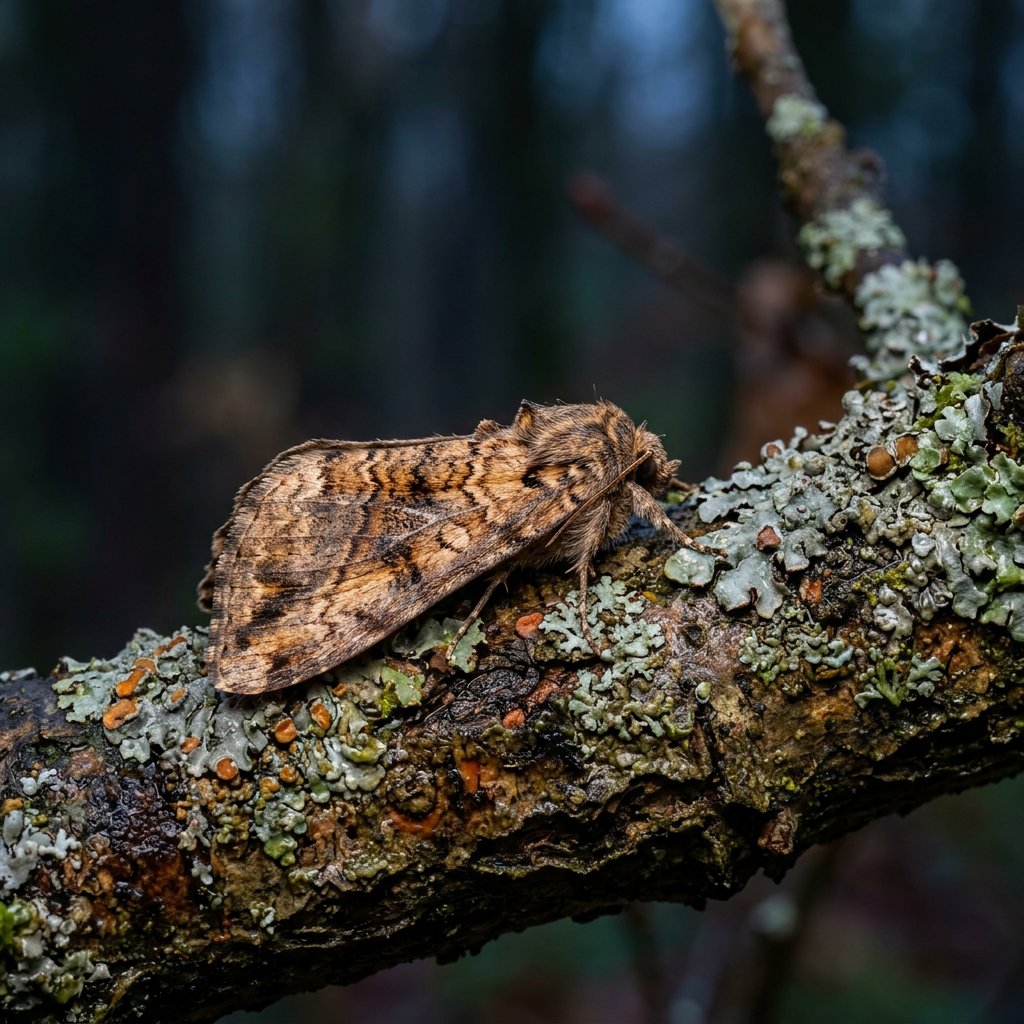
Known as the Scorched Wing moth, this master of disguise looks less like a living creature and more like a fragment of singed parchment or a sliver of wood. Often found resting in deciduous woodlands and leafy gardens across Europe and parts of Asia, it is a harmless nocturnal visitor that relies on brilliant camouflage rather than speed to survive.
🔍 How to Identify
- 🔥 Burnt Edges: The most striking feature is the dark, purplish-brown "scorched" marks along the trailing edges of its pale yellow or tan wings.
- 🪵 Wood-Grain Pattern: The wings are covered in fine, transverse brown lines that mimic the texture of fine wood grain or aged paper.
- 📐 Resting Posture: Unlike many moths that lay flat, the Scorched Wing often holds its wings slightly upright or tilted, enhancing its resemblance to a broken twig or a curled, dead leaf.
🌲 Habitat & Ecology
- 🌳 Forest Dwellers: These moths are primarily found in broadleaf forests, parks, and mature gardens, as they rely heavily on trees like Oak, Birch, and Beech for survival.
- 🍃 Twig Mimicry: The larvae (caterpillars) are even more impressive than the adults; they are shaped and colored exactly like small twigs, complete with "knots" and "buds" to fool hungry birds.
- 🌙 Night Owls: As a nocturnal species, they are most active from late spring to mid-summer and are frequently drawn to porch lights or garden lanterns.
⚠️ Safety & Toxicity
- 🛡️ Completely Harmless: The Scorched Wing moth does not bite, sting, or possess any chemical irritants. It is a "friend" to the gardener and a vital part of the local food web.
- 🐶 Pet Safe: These moths are non-toxic to cats and dogs. If your pet happens to chase or catch one, there is no cause for concern beyond a little dusty mess from the moth's wing scales.
✨ Fun Fact
The Scorched Wing’s caterpillar is so committed to its "twig" disguise that it will remain perfectly motionless for hours during the day, even if the branch it is on is shaken, only moving to feed under the cover of darkness.
More Details








