Info
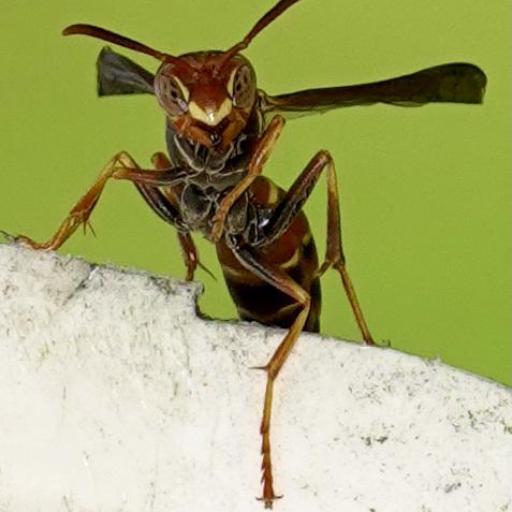
Often referred to as one of the "Red Paper Wasps," Polistes dorsalis is a slender, social architect frequently found patrolling sun-drenched gardens. While their presence near doorways can be intimidating, these wasps are the quiet "security guards" of the insect world, spending their days hunting for garden pests. They are far less aggressive than their yellowjacket cousins, preferring a life of architectural precision and pest control over unprovoked confrontation.
🔍 How to Identify
- 🎨 Color Palette: They typically sport a reddish-brown or ferruginous (rust-colored) body, often accented with fine yellow bands on the abdomen, lacking the heavy black patterns seen on many other wasps.
- ⌛ The "Wasp Waist": They possess an incredibly narrow, elongated waist (petiole) that connects the thorax to a teardrop-shaped abdomen.
- ✈️ Wing Style: When at rest, their smoky-tinted wings fold longitudinally along their back, a classic trait of the paper wasp family.
🌲 Habitat & Ecology
- 🏗️ Master Architects: You will most likely find them around "umbrella nests"—small, open-comb structures made of chewed wood fibers. Unlike hornets, they do not build an outer papery shell, leaving the individual cells visible.
- 🐛 Caterpillar Hunters: They are beneficial predators in your backyard. Female workers hunt for soft-bodied insects, particularly caterpillars, which they paralyze and carry back to the nest to feed their developing larvae.
- 🌸 Hidden Pollinators: While the larvae eat meat, the adults primarily fuel themselves with nectar, inadvertently helping to pollinate your flowers as they move from bloom to bloom.
⚠️ Safety & Toxicity
- 🐝 Status: Defensive but Docile. They are not "search-and-attack" insects; they generally only sting if someone accidentally touches their nest or swat at them.
- 🩹 Details: A sting from Polistes dorsalis is painful and can cause localized swelling and redness. While the venom is not usually dangerous to humans, individuals with known hymenoptera (bee/wasp) allergies should exercise extreme caution and seek medical help if they experience difficulty breathing or hives.
✨ Fun Fact
These wasps are the original papermakers! Long before humans invented the process, Polistes wasps were harvesting weathered wood from fences and trees, mixing it with their specialized saliva to create a durable, water-resistant paper pulp that is remarkably similar to the cardboard we use today.
More Details








