Info
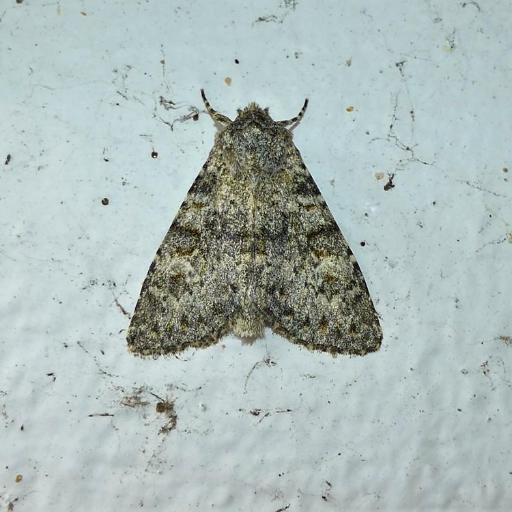
The Large Ranunculus moth (Polymixis flavicincta) is a sophisticated autumn guest that arrives just as most other garden visitors are heading into hibernation. Often nicknamed for its historical association with buttercups, this moth is a master of "stone-wall camouflage," blending perfectly into rocky textures. It is a harmless, neutral visitor that adds a touch of subtle beauty to the late-season garden.
🔍 How to Identify
- 🎨 Forewing Pattern: The wings are a complex tapestry of marbled greys and soft browns, punctuated by delicate orange or yellowish-orange flecks (giving it the Latin name flavicincta, meaning "yellow-girdled").
- 📐 Resting Posture: When at rest, it holds its wings in a flat, roof-like shape over its body, appearing almost like a piece of weathered lichen or stone.
- 🐛 The Caterpillar: The larvae are bright green or yellowish with a distinct pale stripe along the side, making them much easier to spot than the stealthy adults.
🌲 Habitat & Ecology
- 🍂 Autumn Specialist: Unlike most moths that peak in mid-summer, the Large Ranunculus is most active from September to November. It is frequently found near coastal areas, gardens, and old stone walls.
- 🥗 A Generalist Diet: As larvae, they are not picky eaters, munching on low-growing plants like dandelions, docks, and even garden lettuce. Adults are nocturnal nectar-feeders, often visiting late-blooming Ivy or garden "sugar patches."
- 💡 Light Seekers: While they spend their days hiding in crevices, they are highly attracted to artificial lights at night, which is often how homeowners first discover them.
⚠️ Safety & Toxicity
- ✅ Harmless Guest: This moth is completely safe for humans and pets. It does not bite, sting, or possess any irritating hairs.
- 🌱 Minor Garden Nuisance: While the caterpillars might nibble on your vegetables or ornamental flowers, they rarely occur in high enough numbers to cause significant damage to a healthy garden.
✨ Fun Fact
The "Ranunculus" in its name is a bit of a historical curiosity; while the caterpillars can eat buttercups (the Ranunculus genus), they much prefer garden plants like valerian or mint, making them more of a "Vegetable Patch Moth" than their name suggests!
More Details








