Info
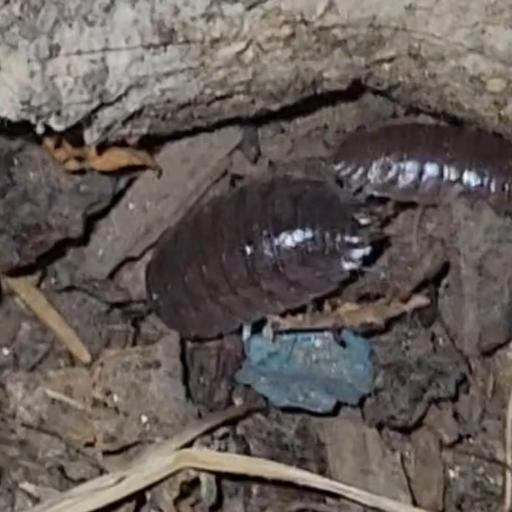
Often called the "Swift Isopod" or the "Dairy Cow" (for its popular spotted variety), Porcellio laevis is one of the most athletic and industrious members of the woodlouse family. While they might look like tiny armored tanks, they are actually gentle land-dwelling crustaceans that play a vital role in turning dead leaves into rich soil. These "roly-poly" cousins are beloved by terrarium hobbyists for their incredible cleaning skills and high-speed antics.
🔍 How to Identify
- ✨ Smooth Shell: Unlike many of its bumpy or "warty" relatives, its exoskeleton is remarkably smooth and has a polished, glossy sheen.
- 🏃 Built for Speed: It has longer legs and a more streamlined body than the common pill bug, allowing it to scurry away with surprising agility when uncovered.
- 🐄 Distinct Morphs: While the wild type is a uniform slate grey, the "Dairy Cow" variety—a favorite in the pet hobby—features a striking white body with irregular black splotches.
🌲 Habitat & Ecology
- 🍂 Nature's Recycler: These are essential detritivores. They spend their lives munching on decaying organic matter, fallen leaves, and rotting wood, accelerating the nutrient cycle in your garden.
- 💧 The Moisture Link: Because they breathe through modified gills, they are restricted to damp environments. You will find them congregating in the "Goldilocks zone" under logs, stones, or thick mulch where it is humid but not soaking wet.
⚠️ Safety & Toxicity
- 🛡️ Completely Harmless: Porcellio laevis is a total "friend." They do not bite, sting, or carry venom, and they possess no defense mechanisms other than running away.
- 🐕 Non-Toxic: They are safe for pets and children. In fact, they are often used as a nutritious "live snack" or a cleaning crew for pet reptiles and amphibians.
✨ Fun Fact
Even though they live entirely on land, these creatures are technically crustaceans, making them more closely related to lobsters and crabs than to ants or beetles! Because of this, they still breathe through "pleopodal lungs" that must stay moist to function—essentially making them tiny scuba divers of the leaf litter.
More Details








