Info
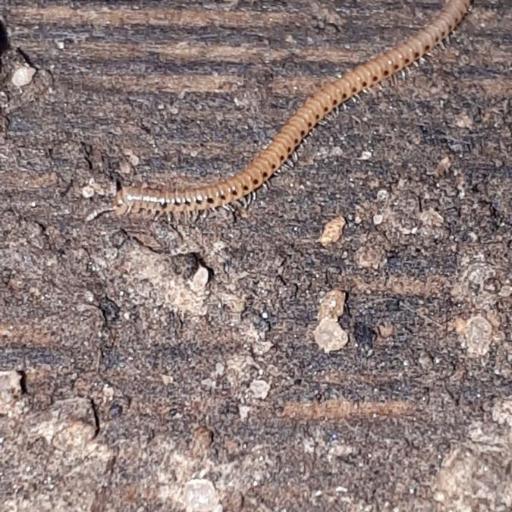
Often called the Snake Millipede or Snakeskin Millipede, this slender, multi-legged wanderer is a tiny engine of the forest floor. While its sleek, dark body might look like a miniature snake at first glance, it is actually a gentle recycler, working tirelessly behind the scenes to turn decaying organic matter into nutrient-rich soil.
🔍 How to Identify
- 🪵 Body Shape: It features a very long, thread-like cylindrical body that looks surprisingly smooth and shiny, usually reaching about 15–20mm in length.
- 🦶 Leg Count: Like all millipedes, it sports two pairs of tiny legs per body segment, which move in a graceful, rhythmic wave-like motion as it crawls.
- 🎨 The "Spots": If you look closely along its sides, you’ll see a row of dark or reddish-brown spots. These are actually "ozopores"—special glands used for chemical defense.
🌲 Habitat & Ecology
- 🍂 The Decomposition Crew: This species is a dedicated detritivore. It spends its life munching on rotting leaves, decaying bark, and fungi, making it an essential "clean-up specialist" in your garden or local woodland.
- 🌳 Bark Dweller: While many millipedes stay deep in the soil, Proteroiulus fuscus is famously fond of heights. You will most often find it hiding under the loose bark of dead trees, particularly birch, pine, or spruce, where it stays moist and protected from birds.
⚠️ Safety & Toxicity
- 🛡️ Non-Aggressive: This millipede is a "friend" to gardeners. It is completely non-venomous and lacks the mouthparts to bite humans or pets.
- 👃 Chemical Defense: If it feels threatened, it will coil into a tight spiral and may secrete a pungent, yellowish liquid. While not dangerous, this fluid can stain skin and cause mild irritation to the eyes, so it is best to wash your hands after handling one.
✨ Fun Fact
In many geographical regions, male Snake Millipedes are incredibly rare or even non-existent. The females have adapted to survive through parthenogenesis, a biological "superpower" that allows them to produce offspring from unfertilized eggs without needing a mate!
More Details








