Info
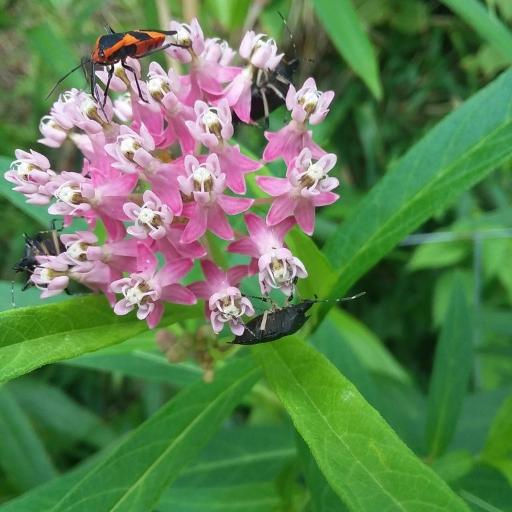
Known as the Black Stink Bug, this armored insect is the "goth" cousin of the common green stink bug. Often found patrolling gardens and woodland edges, it looks like a tiny, six-legged medieval knight. While its sharp features might seem intimidating, it is actually a sophisticated "generalist" that plays a dual role in your backyard ecosystem, acting as both a plant-sipper and a pest-hunter.
🔍 How to Identify
- 🪲 Thoracic Spines: The most defining feature is the pair of sharp, forward-pointing spines on the corners of its "shoulders" (the prothorax).
- ⚪ The Pale Scutellum: Look for a distinct white or yellowish spot at the very tip of the large triangle (scutellum) on its back.
- 🦵 Speckled Legs: Its legs are typically a creamy yellow color, heavily speckled or banded with black dots, giving it a salt-and-pepper appearance.
🌲 Habitat & Ecology
- 🍽️ A Balanced Diet: This bug is a "frenemy" to gardeners. While it does feed on plant juices (favoring Hibiscus and Dayflowers), it is also known to hunt and eat the larvae of harmful beetles and caterpillars.
- 🏡 Garden Presence: You will most likely spot them in the late spring and summer. They love moist, shaded areas where weeds like Commelina (Dayflower) grow, but they aren't shy about moving onto your citrus or ornamental shrubs.
⚠️ Safety & Toxicity
- 🛡️ Harmless to Humans: The Black Stink Bug cannot sting and rarely bites. If it does bite, it is a defensive "poke" that causes minor, temporary irritation but carries no venom.
- 👃 The Stink Factor: Like all stink bugs, it possesses scent glands. If you squeeze or threaten it, it will release a pungent, chemically-smelling liquid. It’s not dangerous, but the smell is notoriously difficult to wash off!
- 🐾 Pet Safety: While not toxic to cats or dogs, the foul-tasting secretions usually cause pets to drool or shake their heads in disgust if they try to eat one.
✨ Fun Fact
- 💡 The specific name punctulatus is Latin for "covered with small dots." If you look at the bug under a magnifying glass, you’ll see its entire black surface is covered in tiny, deep pits that look like they were made with a needle!
More Details








