Info
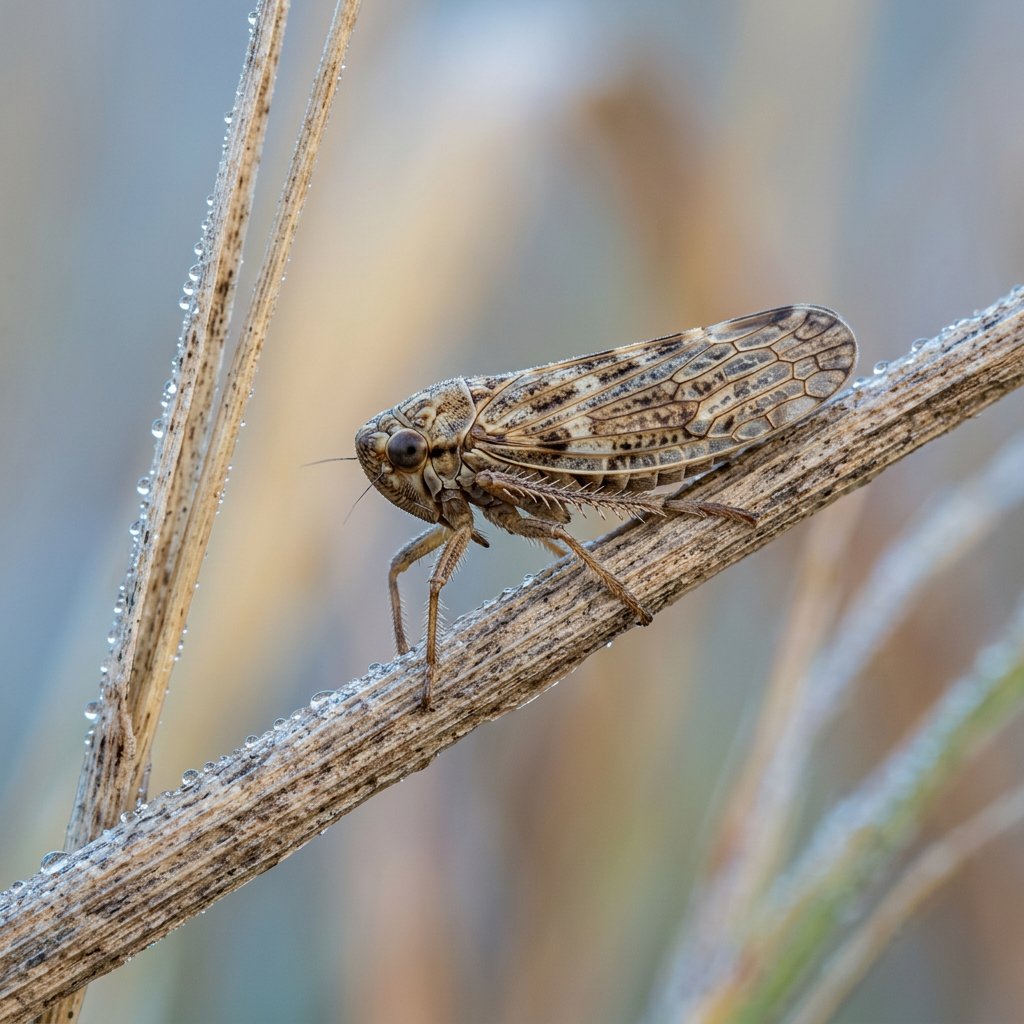
These tiny, energetic insects are the Olympic jumpers of the backyard meadow. Often overlooked because of their miniature size, Psammotettix leafhoppers are master mimics that blend perfectly into the blades of grass they call home. While they might look like tiny moths at first glance, their sudden, explosive "popping" leaps reveal their true identity as one of nature’s most efficient travelers.
🔍 How to Identify
- 📐 Wedge-Like Shape: They have a distinctive triangular or wedge-shaped body that tapers toward the rear, making them look like a tiny, aerodynamic jet.
- 🎨 Subtle Camouflage: Most species are sandy brown, tan, or pale green, often decorated with delicate dark lines or "v" shapes that help them vanish against dried grass or soil.
- 👀 Wide-Set Eyes: Their heads are broad with eyes positioned far apart on the sides, giving them a wide field of vision to spot approaching predators.
🌲 Habitat & Ecology
- 🌾 The Grass Diet: These insects are specialist sap-suckers. They use their needle-like mouthparts to drink the nutrient-rich fluids from grasses, including common lawn grass and cereal crops like wheat.
- 🏃 The Side-Step: If you watch one closely, you’ll notice they often walk sideways or "crab-walk" around a stem to hide from your line of sight—a behavior called "shying"—before deciding to leap away.
- 🌦️ Open Landscapes: They prefer open, sunny environments like meadows, pastures, and dunes where their host grasses are abundant and the soil is relatively dry.
⚠️ Safety & Toxicity
- 🛡️ Completely Harmless: These leafhoppers are "friends" to humans. They do not bite, sting, or carry any venom, making them safe to observe closely.
- 🪴 Garden Impact: While they are harmless to people and pets, a very large population can occasionally cause "hopperburn" (yellowing of leaf tips) in specific crops. In a typical home garden, they are a neutral presence and serve as an important food source for birds and predatory insects.
✨ Fun Fact
[🎵] Secret Songs: Even though we can't hear them, Psammotettix species "sing" to each other! Instead of chirping through the air like crickets, they vibrate the stems of plants. These microscopic thumps and rhythms travel through the grass like a private telephone line to attract mates.
More Details








