Info
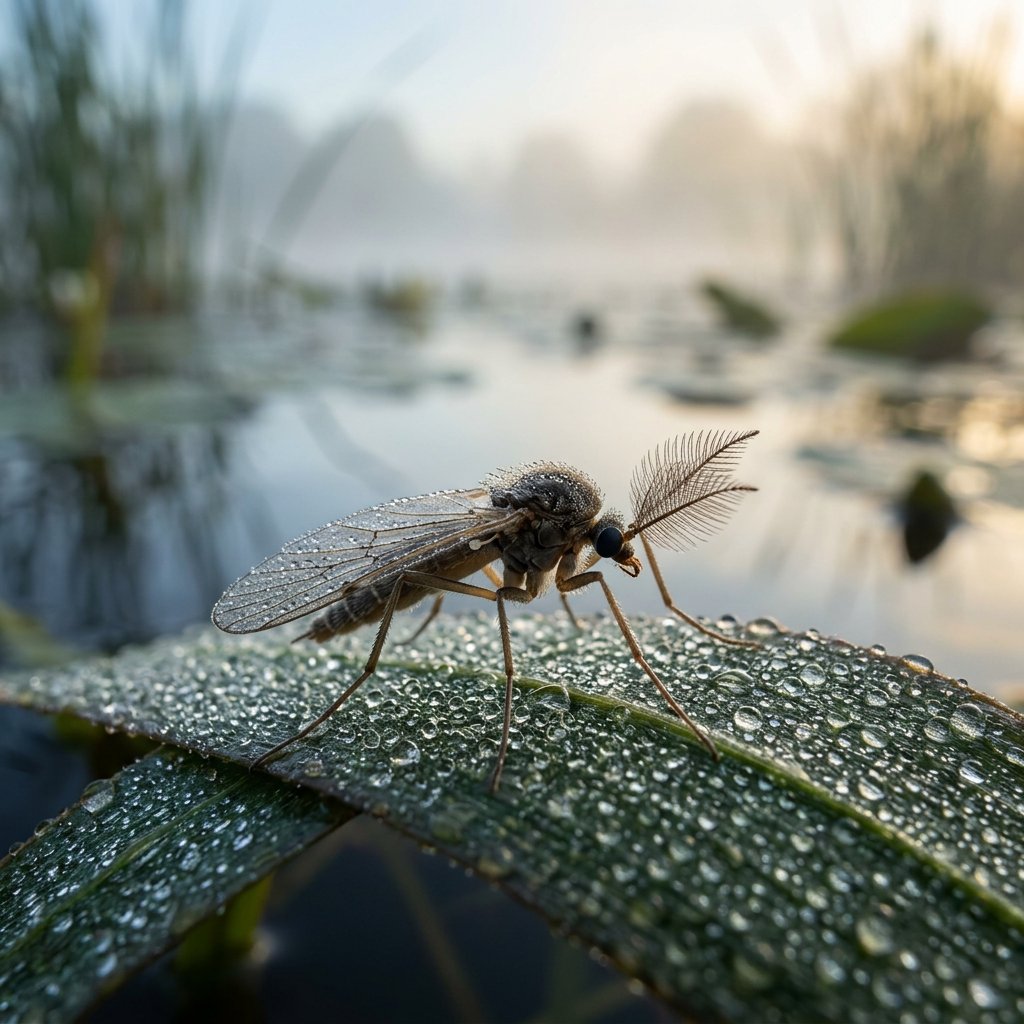
Often mistaken for its more annoying cousin, the mosquito, Psectrocladius is a delicate, non-biting midge that plays a starring role in the health of our freshwater ecosystems. These "dancing flies" are the ultimate indicators of clean water and are famous for forming massive, shimmering clouds over lakes and ponds at twilight, a phenomenon that has inspired countless myths of "living smoke."
🔍 How to Identify
- 🪶 Feathery Antennae: Males possess large, plumose (bottle-brush) antennae, which they use to "hear" the specific wingbeat frequency of females during mating swarms.
- 🦟 The Mosquito Mimic: They have long, slender bodies and legs similar to mosquitoes, but they lack the long, needle-like proboscis (stinger) used for sucking blood.
- 🏗️ Resting Pose: When sitting, they often hold their long front legs forward and off the ground, making them look like a second pair of antennae.
🌲 Habitat & Ecology
- 💧 Underwater Architects: Most of a Psectrocladius midge's life is spent underwater as a larva. They build tiny, silken tubes or "houses" in the sediment of ponds and slow-moving streams, where they feed on organic debris and algae.
- 🐟 The Foundation of the Food Web: These insects are a primary food source for almost everything in the water and air. Fish, dragonflies, and birds rely heavily on both the larvae and the flying adults for protein.
⚠️ Safety & Toxicity
- 🛡️ Completely Harmless: Psectrocladius midges do not bite, sting, or transmit diseases. They lack the mouthparts to pierce skin, making them a "friend" in the garden.
- 🤧 Minor Nuisance: While they are safe, their massive swarms near lights at night can be a bit overwhelming. In rare cases, very large numbers of discarded shells from emerging midges can trigger mild hay-fever-like symptoms in sensitive individuals.
✨ Fun Fact
- ❄️ Extreme Survivors: Some species within the Psectrocladius genus are incredibly cold-hardy. Their larvae can survive being frozen solid in lake ice during the winter, "waking up" and continuing their life cycle as soon as the spring thaw begins!
More Details








