Info
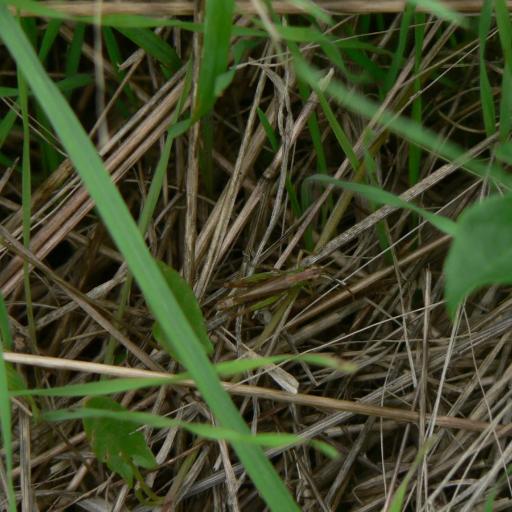
The Meadow Grasshopper (Pseudochorthippus parallelus) is the quintessential soundtrack to a European summer. Often found hiding in plain sight among tall blades of grass, these little musicians are famous for their persistent, rhythmic "chirp-chirp-chirp" that fills the air on sunny afternoons. Unlike their more adventurous relatives, these grasshoppers are homebodies that prefer to stay low to the ground.
🔍 How to Identify
- 📏 The Parallel Keels: The easiest way to spot them is by the two nearly straight, parallel ridges (keels) on the "saddle" behind their head. In other species, these lines usually curve inward.
- 🪽 Short Wings: They have notably short wings that don't reach the end of their bodies. Because of this, they are functionally flightless and rely entirely on their powerful legs to escape danger.
- 🎨 Vibrant Colors: While usually a bright grass-green, they can also appear in shades of brown or even a rare, striking purple-pink to blend in with different types of vegetation.
🌲 Habitat & Ecology
- 🌾 Meadow Life: They thrive in lush, damp grasslands and unmown meadows. They are a "sentinel" species; their presence usually indicates a healthy, undisturbed grassy ecosystem.
- 🍽️ Strict Vegetarians: These grasshoppers are peaceful herbivores, munching exclusively on various grasses. Unlike locusts, they never swarm and are not considered a threat to agricultural crops or garden flowers.
- 🦗 The Songsmiths: Males create their signature song by rubbing a row of tiny "pegs" on their back legs against their wing cases. This stridulation is their primary way of communicating and finding a mate in the dense undergrowth.
⚠️ Safety & Toxicity
- ✅ Completely Harmless: The Meadow Grasshopper is a "friend" to humans. They do not bite, sting, or carry diseases.
- 🐾 Safe for Pets: They are non-toxic to cats and dogs. In fact, they are a vital part of the food chain, providing a high-protein snack for birds, frogs, and small mammals.
✨ Fun Fact
Even though they have wings, they are one of the few grasshopper species that cannot fly at all! They have traded the energy needed for flight for extra muscle in their hind legs, making them elite jumpers that can leap many times their own body length in a single bound.
More Details








