Info
Commonly known as Mealybugs, these tiny hitchhikers are often mistaken for tufts of white cotton or a sprinkle of flour on your favorite houseplant. While they might look soft and sedentary, they are actually specialized scale insects that act like tiny vampires, slowly draining the life force from your indoor jungle. They are a common "foe" for gardeners, but understanding their behavior is the first step to winning the battle.
🔍 How to Identify
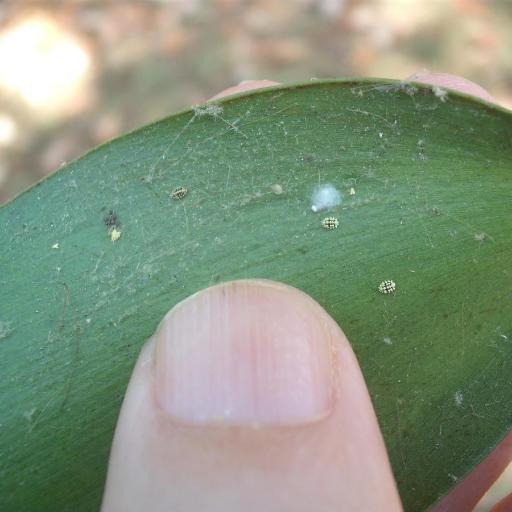
- ☁️ Cottony Coating: They are famous for their white, powdery waxy secretion that looks like tiny cotton balls or fuzzy mold.
- 🐛 Segmented Bodies: If you look closely (or use a magnifying glass), you’ll see soft, oval, segmented bodies beneath the white fuzz.
- 💧 Sticky Residue: They leave behind "honeydew," a clear, sticky substance on leaves that often attracts black sooty mold or "pet" ants.
🌲 Habitat & Ecology
- 🕵️ Master Hiders: Mealybugs prefer "caboose" spots—the undersides of leaves, deep inside leaf axils (where the leaf meets the stem), and even among the roots of succulents.
- 🐜 Ant Guardians: In a fascinating display of nature's teamwork, ants will often protect mealybugs from predators in exchange for the sugary honeydew they secrete, essentially "farming" them like tiny cows.
⚠️ Safety & Toxicity
- 🟢 Human/Pet Safety: Mealybugs are generally harmless to humans and pets. They do not bite, sting, or transmit diseases to mammals.
- 🚨 Plant Health: They are a high-level threat to plants. An infestation can cause leaves to yellow, drop prematurely, and eventually lead to the death of the host plant if not treated.
- 🧼 Management: The best way to remove them is by dabbing them with a cotton swab dipped in 70% isopropyl alcohol, which dissolves their protective wax instantly.
✨ Fun Fact
Mealybug wax is a marvel of biological engineering! This "fluff" is actually a hydrophobic barrier that prevents them from drying out and makes many liquid pesticides bounce right off them without causing any harm.
More Details








