Info
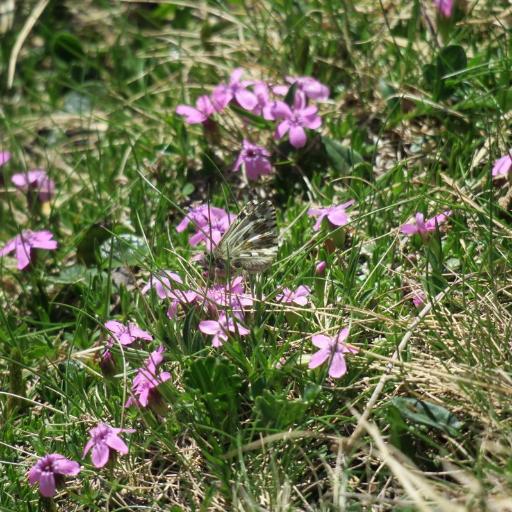
Small, fuzzy, and incredibly fast, the Alpine Grizzled Skipper is a high-altitude specialist that looks like a tiny, checkered kite. Often referred to as a "friend" of the mountains, this butterfly is a sign of a healthy alpine ecosystem. While its rapid, jerky flight might make it hard to track, it is completely harmless and lacks any ability to bite or sting.
🔍 How to Identify
- 🦋 Checkered Wings: The upper side of the wings is dark brown or black, heavily "grizzled" with small, distinct white rectangular spots.
- ⚪ Underside Markings: The most reliable giveaway is on the underside of the hindwing, which features a prominent white band and a pale, almost heart-shaped spot near the base.
- 🧶 Fuzzy Thorax: Like many alpine insects, it has a noticeably "hairy" or furry body that helps it trap heat in the thin, cold mountain air.
🌲 Habitat & Ecology
- 🏔️ Mountain Highs: You won’t find this butterfly in your backyard unless you live near the tree line. It thrives in rocky meadows, scree slopes, and damp alpine pastures across the Alps, Pyrenees, and Scandinavia.
- 🍃 Selective Diet: As caterpillars, they are quite picky, feeding primarily on plants in the Rose family, such as Lady’s Mantle (Alchemilla) and Cinquefoils (Potentilla).
- ☀️ Sun Bathers: Because the mountains are cold, you will often spot them perched flat against grey rocks with their wings spread wide to soak up the morning sun’s warmth.
⚠️ Safety & Toxicity
- ✅ Harmless: The Alpine Grizzled Skipper is non-toxic and poses no threat to humans, pets, or livestock.
- 🚫 Fragile Nature: They do not sting or bite. However, like all butterflies, their wings are covered in delicate scales; touching them can hinder their ability to fly and regulate temperature.
✨ Fun Fact
The "Skipper" family gets its name from its unique flight style. Instead of the graceful, flapping motion of a Swallowtail, these butterflies "skip" through the air with such high-speed, erratic movements that they can be almost impossible for predators (and photographers) to follow!
More Details








