Info
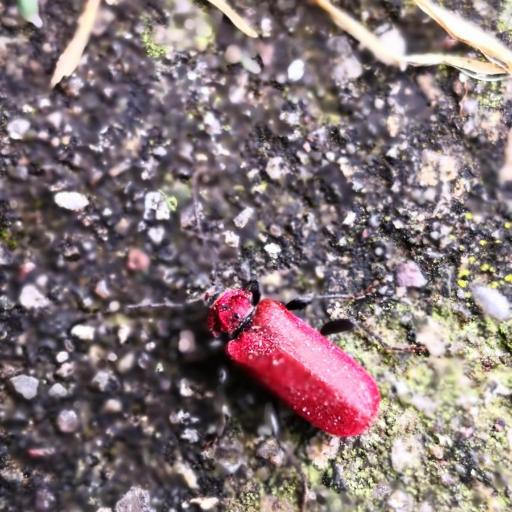
The Welsh Oak Longhorn is a true woodland gem, looking as though it has been dipped in royal red velvet. While its fiery color might suggest a "stay away" warning, this beetle is a peaceful recycler of the forest, specializing in turning old oak branches back into soil. Often spotted sunning itself on log piles in the spring, it is one of the most striking beetles a nature lover can find.
🔍 How to Identify
- 🔴 Velvet Wings: The elytra (wing covers) are a brilliant, fuzzy crimson red that feels almost like felt or suede to the touch.
- 📏 Long Reach: True to its name, this beetle sports impressive antennae that are often nearly as long as its entire body, used for sensing pheromones and vibrations.
- 🌑 Dark Contrast: Its head, legs, and underside are typically a deep brownish-black, which makes the vibrant red body pop even more against tree bark.
🌲 Habitat & Ecology
- 🌳 The Oak Specialist: While they occasionally visit Beech or Hornbeam, these beetles are most famous for their relationship with Oak trees. They are primary "decomposers," targeting dead or dying branches rather than healthy trees.
- 🪵 The Firewood Hitchhiker: This species is well-known for "invading" homes in the late winter. This usually happens when oak logs are brought inside for a fireplace; the warmth of the house tricks the larvae inside the wood into thinking spring has arrived, leading them to emerge in your living room!
- ☀️ Sun Seekers: Adults are most active from April to June. You will find them skittering across stacked timber or freshly fallen branches on warm, sunny afternoons.
⚠️ Safety & Toxicity
- ✅ Friend: The Welsh Oak Longhorn is completely harmless to humans and pets. It does not possess a stinger and is not known to carry any diseases.
- 🦷 Minor Nip: Like most beetles with wood-chewing mouthparts, it could give a tiny, mechanical pinch if squeezed or handled roughly, but it has no venom and prefers to fly away if threatened.
- 🏠 Structural Safety: Do not worry if you find one inside—they only lay eggs in unseasoned wood with bark still attached. They are not a "woodworm" threat to your furniture or floorboards.
✨ Fun Fact
The Welsh Oak Longhorn is a master of "stridulation." If you listen closely when it is handled or excited, it can produce a tiny, high-pitched squeaking sound by rubbing parts of its thorax together!
More Details








