Info
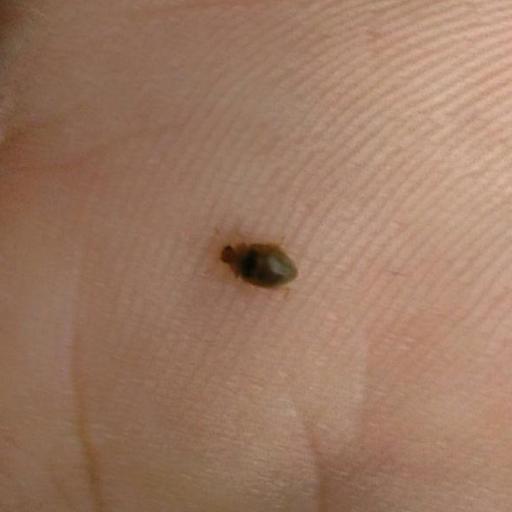
Often referred to as the Meadow Ladybird, Rhyzobius litura is the "undercover agent" of the beetle world. Unlike its flashy red-and-black cousins, this tiny beetle prefers a more camouflage-friendly wardrobe of tan and brown. It is a dedicated friend to gardeners, quietly patrolling the base of plants to keep pest populations in check without ever demanding the spotlight.
🔍 How to Identify
- 🪲 Velvety Texture: Unlike the shiny, wax-like shells of common ladybugs, this species is covered in fine, dense hairs (pubescence), giving it a soft, matte appearance.
- 🎨 Subtle Coloring: Its body is typically a warm orange-brown or dusky tan, often featuring faint, blurred dark patches on the wing covers (elytra).
- 📏 Miniature Scale: It is exceptionally small, usually measuring only 2 to 3 millimeters, making it easy to miss unless you are looking closely at the soil line.
🌲 Habitat & Ecology
- 🌾 Low-Level Hunter: While many ladybugs hunt in the canopy of trees, Rhyzobius litura is a ground-dweller. It thrives in long grass, meadows, and the leaf litter at the base of garden perennials.
- 🍴 Diverse Diet: It is a specialized predator of aphids, but it is also known to supplement its diet with pollen and fungal spores, making it a versatile survivor in changing environments.
- 🍂 Winter Hiding: During the cold months, these beetles tuck themselves deep into the crowns of grass tussocks or under fallen leaves to wait for the spring thaw.
⚠️ Safety & Toxicity
- ✅ Friendly Resident: This insect is completely harmless to humans and pets. It does not bite, sting, or possess any irritants.
- 🌿 Chemical Sensitivity: Because they live so close to the ground, they are very sensitive to lawn pesticides. Seeing them in your yard is a great sign that your soil and grass are healthy and non-toxic.
✨ Fun Fact
Unlike many other ladybirds that take to the sky at the first sign of trouble, Rhyzobius litura is somewhat reluctant to fly. It prefers to use its legs to scurry into the thick thatch of grass when it feels threatened!
More Details








