Info
Often called Club-horned Wasps, members of the Sapygidae family are the "cuckoos" of the insect world. Though you might find them hovering around your garden plants or wooden fences, they aren't there to eat your leaves—they are looking for a place to play a clever trick on local bees. These slender, striking insects are fascinating examples of nature’s complex survival strategies.
🔍 How to Identify
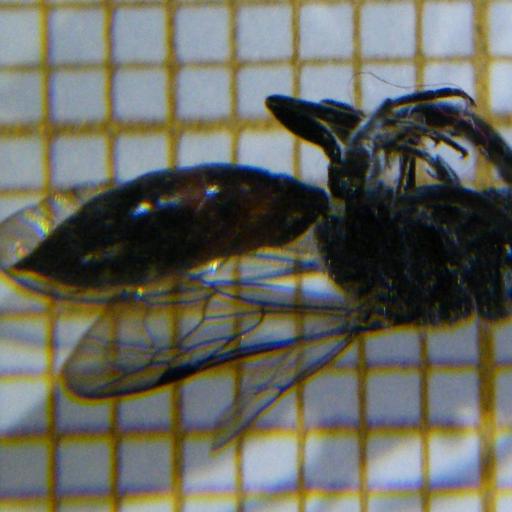
- 🏒 The "Clubs": Their most distinctive feature is their antennae, which thicken significantly toward the tips, resembling tiny clubs or baseball bats.
- 🐝 Wasp Mimicry: They usually sport a sleek, black body adorned with bright yellow or white spots and bands, making them look very similar to small yellowjackets or Potter wasps.
- 📏 Slender Profile: Unlike the chunky body of a honeybee, Sapygid wasps have a very elongated, cylindrical abdomen and a smooth, almost hairless exoskeleton.
🌲 Habitat & Ecology
- 🏠 The Bee Hotel Lurker: You are most likely to spot these wasps near "bee hotels" or hollow plant stems. They don't build their own nests; instead, they wait for solitary bees (like Mason or Leafcutter bees) to finish provisioning a nest with pollen.
- 🍳 A "Cuckoo" Strategy: The female wasp slips into the bee's nest to lay her own egg. When the wasp larva hatches, it consumes the bee egg or larva and then feasts on the "pantry" of pollen the mother bee worked so hard to collect.
- 🌸 Nectar Lovers: While the larvae are carnivorous, the adults are peaceful pollinators that spend their days sipping nectar from shallow flowers like wild carrots or daisies.
⚠️ Safety & Toxicity
- 🛡️ Non-Aggressive: Despite their "warning colors" (yellow and black), Sapygid wasps are solitary and not defensive. They have no colony to protect and will not go out of their way to sting you.
- 🐝 Weak Sting: While females technically possess a stinger (an adapted egg-laying organ), it is very small and rarely used on humans. It is not considered medically significant or particularly painful.
- 🐾 Pet Safety: They pose virtually no threat to curious cats or dogs, as they prefer to stay mobile and avoid any confrontation.
✨ Fun Fact
The Sapygid wasp's larva is a tiny glutton; once it finishes eating the host bee's egg, it undergoes a physical transformation, changing its jaw shape to better eat the stored pollen "bread" left behind!
More Details








