Info
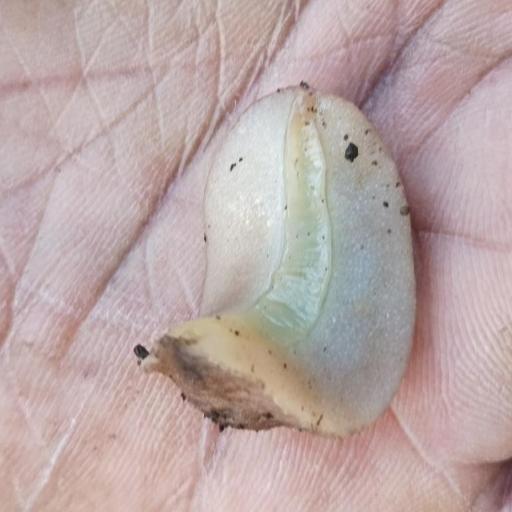
Often mistaken for a piece of dark debris or a wet leaf, the Caribbean Leatherleaf Slug is a master of camouflage in tropical gardens. Known for its leathery texture and lack of a visible shell, this "Bean Slug" is a persistent traveler that has hitched rides across the globe through the plant trade. While it may look like a harmless garden resident, it is a creature you should observe with your eyes, rather than your hands.
🔍 How to Identify
- 🐚 Leathery Mantle: Unlike common garden slugs, its entire back is covered by a tough, rubbery mantle that feels slightly granular to the touch.
- 🎨 Camouflage Tones: Typically tan, ochre, or grayish-brown, often marked with two faint, dark longitudinal stripes and scattered black speckles.
- 👁️ Retractable Tentacles: It possesses two pairs of tentacles; the upper pair houses its eyes, which it can quickly retract if it senses a vibration or threat.
🌲 Habitat & Ecology
- 🥬 The Bean Bandit: It is a generalist herbivore with a particular fondness for succulent leaves, ripening fruits, and bean crops, making it a frequent sight in vegetable patches.
- 🌙 Night Owl: To avoid dehydration, it spends its days tucked away in damp crevices, under mulch, or beneath fallen logs, emerging only under the cover of darkness or during heavy rain.
⚠️ Safety & Toxicity
- 🚫 Major Health Warning: Do not handle this slug with bare hands. It is a known intermediate host for the Rat Lungworm (Angiostrongylus cantonensis), a parasite that can cause eosinophilic meningitis in humans.
- 🐾 Pet Safety: Keep curious dogs and cats away. Ingesting this slug—or even licking its slime trail—can transmit parasites that lead to severe neurological distress in pets.
- 🧼 Garden Hygiene: Always wash home-grown vegetables and herbs thoroughly, as the slime left behind on leaves can harbor pathogens.
✨ Fun Fact
🐌 Despite their slow appearance, Leatherleaf slugs are remarkably resilient; they can survive long periods of drought by burying themselves deep in the soil and entering a state of dormancy until the moisture returns!
More Details








