Info
Often referred to as the Dogbane Webworm, this insect is a master of communal living. While the adult moth is a modest, unassuming creature, its larvae are flamboyant architects that build shimmering silken "apartment complexes" at the tips of their favorite plants. They are frequently found in meadows and gardens where their namesake host plant, Dogbane, grows wild.
🔍 How to Identify
- 🕸️ The Social Web: The most obvious sign is a large, messy silken nest at the top of a plant stalk, often filled with yellowish caterpillars and bits of chewed leaves.
- 🐛 The Caterpillar: The larvae are striking, featuring bright orange or yellow bodies covered in distinct black spots and tufts of white or black hairs.
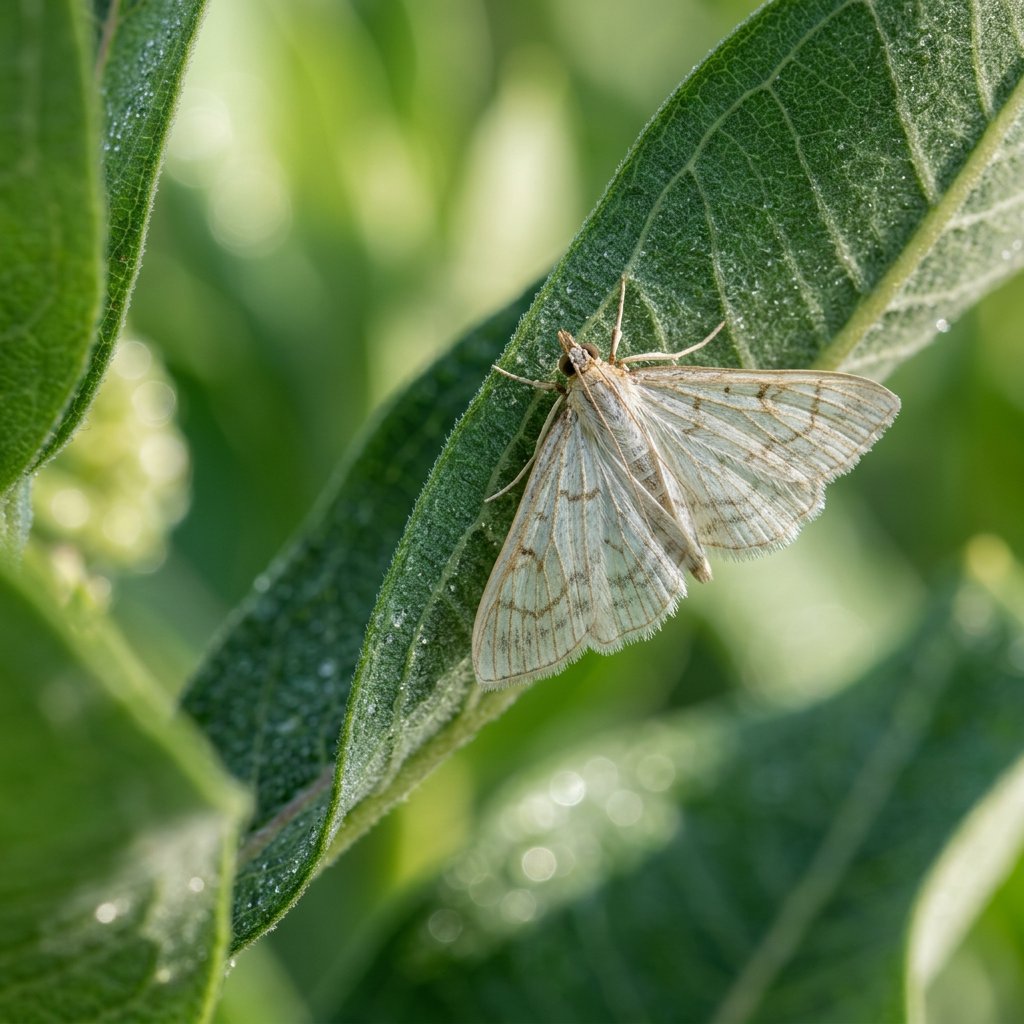
- 🦋 The Adult Moth: The moth is relatively small and "dusty" looking, with pale tan or yellowish-white wings marked by faint, wavy brown lines.
🌲 Habitat & Ecology
- 🍽️ A Picky Eater: These insects are specialists. They feed almost exclusively on Dogbane (Apocynum) and occasionally Milkweed, plants known for their milky, toxic sap.
- 🛡️ Safety in Numbers: As "gregarious" larvae, they live and feed together within their silk tents. This communal lifestyle provides protection from predators and creates a micro-climate that helps them grow faster.
- 🏠 Meadow Dwellers: You are most likely to spot their silk nests in sunny fields, roadsides, and the edges of woodlands where their host plants thrive in the summer sun.
⚠️ Safety & Toxicity
- 🟢 Status: Harmless to humans.
- 👅 Chemical Defense: Because they eat toxic plants, the caterpillars sequester chemicals called cardiac glycosides. This makes them taste incredibly bitter and potentially dangerous to birds or small mammals that try to eat them.
- 🧤 Garden Impact: While they might make a Dogbane plant look "messy" or skeletonized, they are a natural part of the ecosystem and rarely cause permanent damage to the plant’s health.
✨ Fun Fact
The Dogbane Webworm uses its food as a chemical shield! By storing the toxins from the Dogbane plant in their own bodies, the caterpillars become "living poison pills," advertising their bad taste to predators with their bright, spotted "warning colors."
More Details








