Info
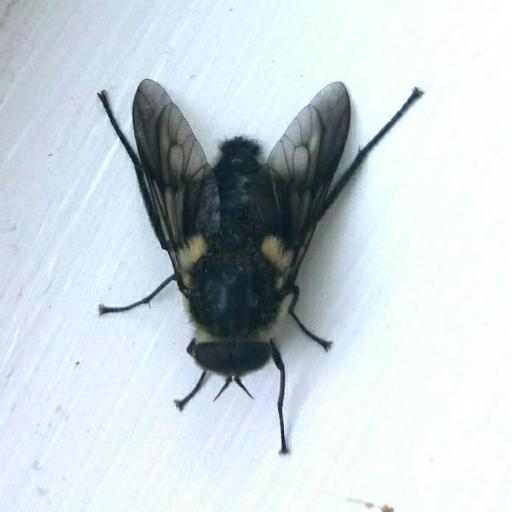
Often mistaken for a common fly, the Scaptia genus—popularly known as March Flies or Horse Flies—is famous for its striking colors and, in one specific case, a name inspired by a pop-culture icon. While they are sometimes searched for as "plants" due to their heavy association with floral nectar, these insects are actually vital, if slightly misunderstood, members of the ecosystem that act as both pollinators and predators.
🔍 How to Identify
- 🪰 Golden Abdomen: Many species in this genus are covered in dense, shimmering gold or yellow hairs that catch the light, making them look far more "glamorous" than a standard housefly.
- 👁️ Iridescent Eyes: They possess massive, wrap-around compound eyes that often display a metallic sheen or intricate patterns when viewed up close.
- 📏 Robust Body: They have a stocky, wide build and broad wings, giving them a heavy, loud buzzing sound when they fly past your ear.
🌲 Habitat & Ecology
- 🌸 Essential Pollinators: Despite their reputation, Scaptia flies are significant pollinators. They frequent a wide variety of native wildflowers to drink nectar, which provides the high-energy fuel they need for their powerful flight.
- 💧 Moist Substrates: You are most likely to encounter them in damp forests, heathlands, or near wetlands. Their larvae live in moist soil or rotting wood, where they act as tiny predators, hunting other small invertebrates.
⚠️ Safety & Toxicity
- 🦟 The Bite: Be cautious around females; like many horse flies, the females require a protein-rich blood meal to produce eggs and can deliver a sharp, painful bite to humans and animals.
- 🛡️ Non-Venomous: While the bite is annoying and can cause localized swelling or itching, these flies are not venomous and do not possess a stinger. Males are completely harmless and feed exclusively on nectar.
✨ Fun Fact
In 2011, a researcher officially named a species in this genus Scaptia beyonceae in honor of the singer Beyoncé. The scientist chose the name because of the fly's unique, "glamorous" golden hairs on its abdomen, calling it the "all-time diva of flies!"
More Details








