Info
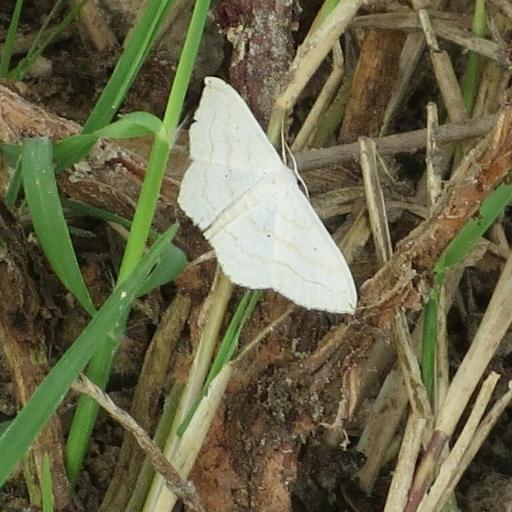
Often referred to as the Swirl-marked Wave, the Scopula umbilicata is a delicate member of the Geometridae family. These moths are master minimalists, often blending perfectly into sun-bleached wood or dried leaves during the day. While they may not have the flashy colors of a butterfly, they are essential nocturnal pollinators that keep your garden ecosystem balanced and healthy.
🔍 How to Identify
- 🦋 Wing Pattern: The wings are typically a pale cream or sandy buff, decorated with fine, wavy brownish lines that "wave" across both the forewings and hindwings.
- 🎯 Discal Spots: Look for a tiny, distinct dark dot in the center of each wing—these "navel" spots are what give the species its Latin name (umbilicata).
- 📐 Resting Posture: Like most "Wave" moths, it rests with its wings spread out flat against a surface, creating a triangular or moth-like silhouette that minimizes shadows.
🌲 Habitat & Ecology
- 🌙 Night Owls: You are most likely to spot them near porch lights or windows at night, as they are highly attracted to artificial light sources.
- 🌿 The "Inchworm" Phase: Before becoming a moth, the larvae are classic "inchworms." They lack middle legs, causing them to arch their bodies into a loop as they move, appearing as if they are "measuring the earth."
- 🍽️ Dietary Habits: The caterpillars are generalists, usually munching on low-growing herbaceous plants and weeds, making them a common sight in suburban gardens and meadows.
⚠️ Safety & Toxicity
- ✅ Status: Completely harmless.
- 🐾 Details: This moth does not bite, sting, or carry any toxins. They are perfectly safe to have around children and curious pets. In fact, they serve as a vital high-protein food source for local birds and bats.
✨ Fun Fact
The name "Umbilicata" comes from the Latin word umbilicus, meaning "navel." This refers to the tiny dark spots on its wings which look like little belly buttons!
More Details








