Info
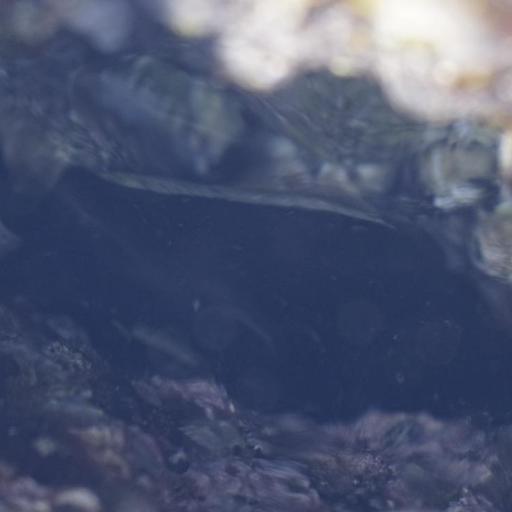
Meet the "Elephant Snail," a mysterious wanderer of the southern rocky shores. While it might look like a giant jet-black slug at first glance, it is actually a primitive marine snail with a hidden secret. Often found tucked away in crevices during the day, this velvety creature has fascinated beachcombers in Australia and New Zealand for generations, earning nicknames like the "Shield Slug" or "Duck’s Bill Limpet."
🔍 How to Identify
- 🖤 The Mantle: Its body is covered by a heavy, jet-black, velvety skin called a mantle. It often looks like a piece of wet leather or dark suede shifting across the rocks.
- 🐚 The Hidden Shield: If you look closely at its back, there is often a small slit where a white, shield-shaped shell peeks through. This shell is internal or semi-internal, protecting the snail's vital organs.
- 🐘 The "Trunk": At the front, it features two long, sensitive tentacles and a broad snout that give it an elephant-like appearance as it "sniffs" its way across the seabed.
🌊 Habitat & Ecology
- 🪨 Rocky Reefs: These snails are masters of the intertidal zone. They prefer the undersides of rocks and deep crevices where they can stay moist and hidden from the drying sun and hungry birds.
- 🌙 Nocturnal Grazer: By day, they are sedentary, but by night, they become the "lawnmowers" of the reef. They use a file-like tongue (radula) to scrape algae and seaweed off the rocks.
- 🌊 Water Breather: Unlike land slugs, they rely entirely on the tide. They possess gills hidden beneath that black mantle to extract oxygen from the seawater.
⚠️ Safety & Toxicity
- ✅ Harmless: The Elephant Snail is completely non-toxic and poses no threat to humans. It does not sting, bite, or produce harmful toxins.
- 🐚 Handle with Care: While they are safe to touch, they should not be pulled off rocks. Their suction is very strong, and forcing them off can damage their soft foot or the thin, fragile shell hidden beneath their skin.
- 🚫 Pet Safety: If you have a saltwater aquarium, they are generally peaceful, though their large size means they can accidentally bulldoze loose corals or rockwork.
✨ Fun Fact
The white shell of the Scutus antipodes is shaped exactly like a duck's bill! In the past, these shells were often found washed up on beaches without the black body, leading many early beachcombers to believe they had discovered the fossilized beaks of prehistoric birds.
More Details








