Info
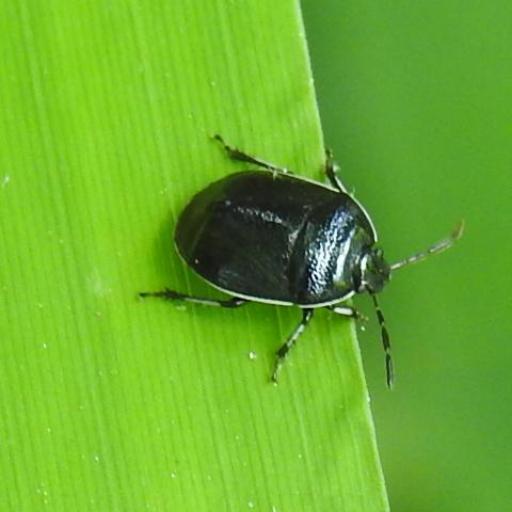
Known as the White-margined Burrower Bug, this little insect is the "doting parent" of the garden world. While many bugs are mistaken for beetles, these stylish creatures are easily recognized by the elegant silver-white "stitching" around their dark, shield-shaped bodies. They are helpful members of the ecosystem, spending much of their time underground or tucked away in the leaf litter.
🔍 How to Identify
- ⚪ The Silver Border: The most striking feature is a thin, bright white or cream-colored margin that runs along the edge of its dark, metallic-black body.
- 🛡️ Shield Silhouette: It has a broad, oval shape similar to a stink bug, but it is much smaller—usually only about 4 to 7 millimeters long.
- ⛏️ Spiny Shovels: Their legs are equipped with noticeable spines, which act like tiny trowels to help them burrow into the soil or move through dense mulch.
🌲 Habitat & Ecology
- 🍃 The Mint Connection: You will most likely find them hanging out near plants in the mint family (Lamiaceae), such as Henbit or Purple Deadnettle. They love to snack on the fallen seeds of these plants.
- 🤱 Devoted Mothers: This insect is famous among entomologists for its maternal instincts. After laying eggs in a shallow burrow, the mother stays to guard them and will even forage for seeds to bring back to her young "chicks."
- 🌓 Hide and Seek: They are somewhat secretive; during the heat of the day, they burrow into the cool earth or hide under fallen leaves to stay hydrated.
⚠️ Safety & Toxicity
- ✅ Friend of the Gardener: These insects are completely harmless to humans. They do not bite, they do not sting, and they do not possess any venom.
- 🐶 Pet Neutral: They are non-toxic to cats and dogs. While their hard shells aren't exactly a gourmet treat, they won't cause harm if a curious pet accidentally nudges one.
- 👃 Odorous Defense: Like their cousins the stink bugs, they can release a faint, pungent odor if they feel threatened, but it is rarely noticed by humans unless the bug is handled roughly.
✨ Fun Fact
Burrower Bugs are "talkative" parents! The mothers communicate with their babies by vibrating their bodies against the ground or leaves, sending "thumping" signals that the nymphs can feel through their legs to know when it's time to eat or hide.
More Details








