Info
Known as the "Water Boatman," Sigara distincta is a gentle, aquatic rower found navigating the quiet corners of freshwater ponds. Often confused with its more aggressive "pirate" cousin, the Backswimmer, this insect is a peaceful resident that spends its life "sculling" through the water. While many water bugs are fierce predators, the Water Boatman is more like a tiny underwater gardener, keeping the ecosystem clean.
🔍 How to Identify
- 🛶 The Oars: Its hind legs are remarkably long and flattened, fringed with fine hairs that turn them into powerful paddles for rowing through the water.
- 🎨 Mottled Camouflage: The wings and back feature a fine, dark, "leopard-print" wavy pattern that allows it to blend perfectly with the silt and debris at the bottom of a pond.
- 💧 The Silver Belly: When underwater, it often carries a thin layer of air trapped against its body, giving its underside a brilliant, silvery metallic sheen.
🌲 Habitat & Ecology
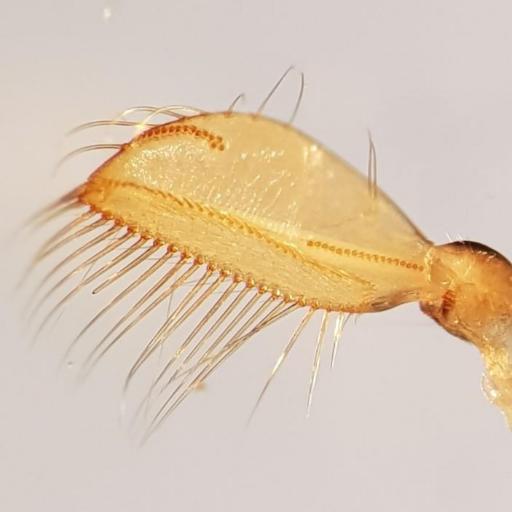
- 🥣 Pond Scavenger: Unlike most aquatic "True Bugs" that hunt prey, Sigara distincta primarily feeds on algae and organic detritus. It uses its specialized front legs to scoop up microscopic food from the pond floor.
- 🚀 Nighttime Flyers: Although they live in water, they are strong flyers. On warm nights, they may leave their pond to find new territory, often being drawn to garden lights or shiny surfaces that they mistake for water.
- 🫧 Scuba Diving: They don’t have gills; instead, they breathe by trapping a bubble of air (called a plastron) against their body, which they periodically refresh at the surface.
⚠️ Safety & Toxicity
- ✅ Completely Harmless: Unlike the Backswimmer (which can deliver a painful "sting-like" bite), the Water Boatman is non-aggressive and lacks the piercing mouthparts to hurt humans.
- 🛡️ Ecological Friend: They are excellent indicators of water health and serve as a vital food source for fish and waterfowl without posing any threat to your pets or garden plants.
✨ Fun Fact
Water Boatmen are some of the loudest animals on Earth relative to their size! Males of some species produce a "song" to attract mates by rubbing their legs against their bodies. Though they are tiny, their underwater chirping can sometimes be heard by humans standing at the edge of a quiet pond.
More Details








