Info
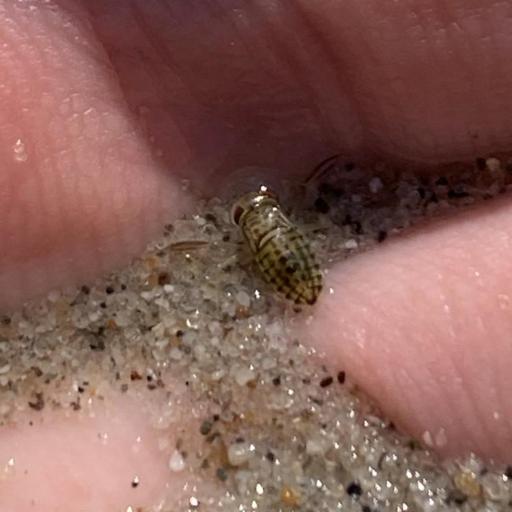
Known as the "Water Boatman," these little aquatic gymnasts are often seen rowing through garden ponds with rhythmic, oar-like precision. Unlike many of their predatory water-bug cousins, Sigara striata acts more like a peaceful underwater gardener, keeping algae in check. They are fascinating to watch as they carry their own "scuba tank" of air, which gives their bellies a brilliant, silvery shimmer beneath the surface.
🔍 How to Identify
- 🚣 The "Oars": Their hind legs are significantly longer than the others and fringed with fine hairs, acting as powerful paddles for swimming.
- 🦓 Striated Wings: The "striata" in their name refers to the fine, dark, transverse lines across their wing covers, resembling a microscopic zebra pattern or a fingerprint.
- 🚤 Right-Side Up: Unlike the similar-looking Backswimmer, the Water Boatman always swims with its back facing up toward the sky.
🌲 Habitat & Ecology
- 💧 Pond Life: They prefer stagnant or slow-moving freshwater, particularly areas rich in submerged vegetation and organic "muck" where they can forage.
- 🥗 The Clean-Up Crew: Most members of this genus are unusual among aquatic bugs because they aren't hunters; they use their straw-like mouthparts to vacuum up algae and decaying plant matter.
- 🌌 Night Travelers: If a pond becomes unsuitable, they are capable of flying. You might occasionally find them far from water on humid nights, as they are often attracted to porch lights.
⚠️ Safety & Toxicity
- ✅ Status: Harmless and non-aggressive.
- 🐝 The "Bite" Myth: While people often fear "water bees," it is the Backswimmer (Notonecta) that delivers a painful poke. The Water Boatman (Sigara) has a much softer rostrum and almost never bites humans.
- 🐾 Pet Safety: They are non-toxic and pose no threat to curious cats or dogs that might find them near a garden pond.
✨ Fun Fact
Water Boatmen are among the loudest animals on Earth relative to their body size! Males produce a "singing" or chirping sound to attract mates by rubbing their front legs against their heads. While they are tiny, a chorus of them can sometimes be heard from the bank of a quiet pond.
More Details








