Info
Known as the Black-veined Moth, this elegant insect is a master of disguise that often blurs the line between moths and butterflies. Unlike most of its nocturnal cousins, this species is a lover of the sun, dancing through tall grasses during the peak of day. In many regions, its presence is a "green flag" for a healthy, undisturbed ecosystem.
🔍 How to Identify
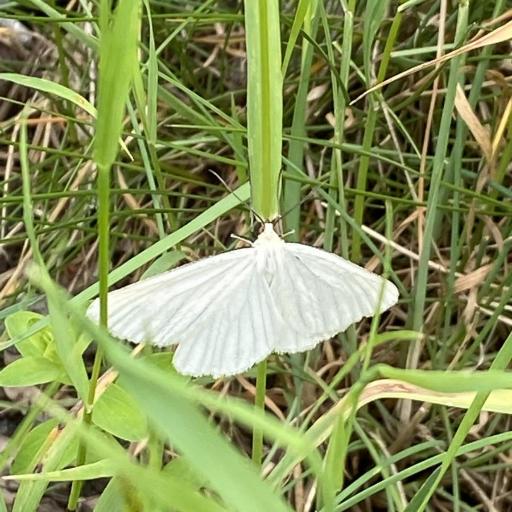
- 🦋 The Veined Wings: Its most striking feature is the creamy-white or ivory wings, decorated with bold, soot-colored veins that look like delicate charcoal sketches.
- 📏 Resting Posture: Unlike most moths that lay their wings flat or "tented," this species often rests with its wings closed upright over its back, mimicking the silhouette of a butterfly.
- 🦴 Slender Build: It possesses a very thin, pale body and fine, thread-like antennae, lacking the "fuzzy" or "feathery" look common to many other moth families.
🌲 Habitat & Ecology
- 🌾 Grassland Specialist: You won’t find this beauty in a dense forest; it strictly patrols tall, ungrazed chalk or limestone grasslands and dry meadows where it can blend into the stalks.
- 🍴 The Larval Diet: The caterpillars are specialists that feed on low-growing herbs like Bird’s-foot Trefoil, Wild Marjoram, and Wood Sage. They are slow growers, often spending the entire winter tucked away in the grass before emerging in spring.
- ☀️ Sun Seeker: Because it flies in bright daylight, it is frequently confused with the Black-veined White butterfly. However, its flight is more "fluttery" and erratic compared to the steady glide of its butterfly look-alike.
⚠️ Safety & Toxicity
- ✅ Harmless Guest: The Black-veined Moth is completely non-toxic and lacks any form of stinger or biting mandibles. It is a "friend" to the garden and the explorer.
- 🐾 Safe for Pets: It does not possess irritating hairs or chemical defenses, making it safe for curious pets or children who might encounter it in the wild.
✨ Fun Fact
Even though it is biologically classified as a moth, the Siona lineata is so "butterfly-like" in its behavior and appearance that early naturalists often debated which category it truly belonged to. It is one of the best examples of how nature doesn't always like to stay inside the boxes we build for it!
More Details








