Info
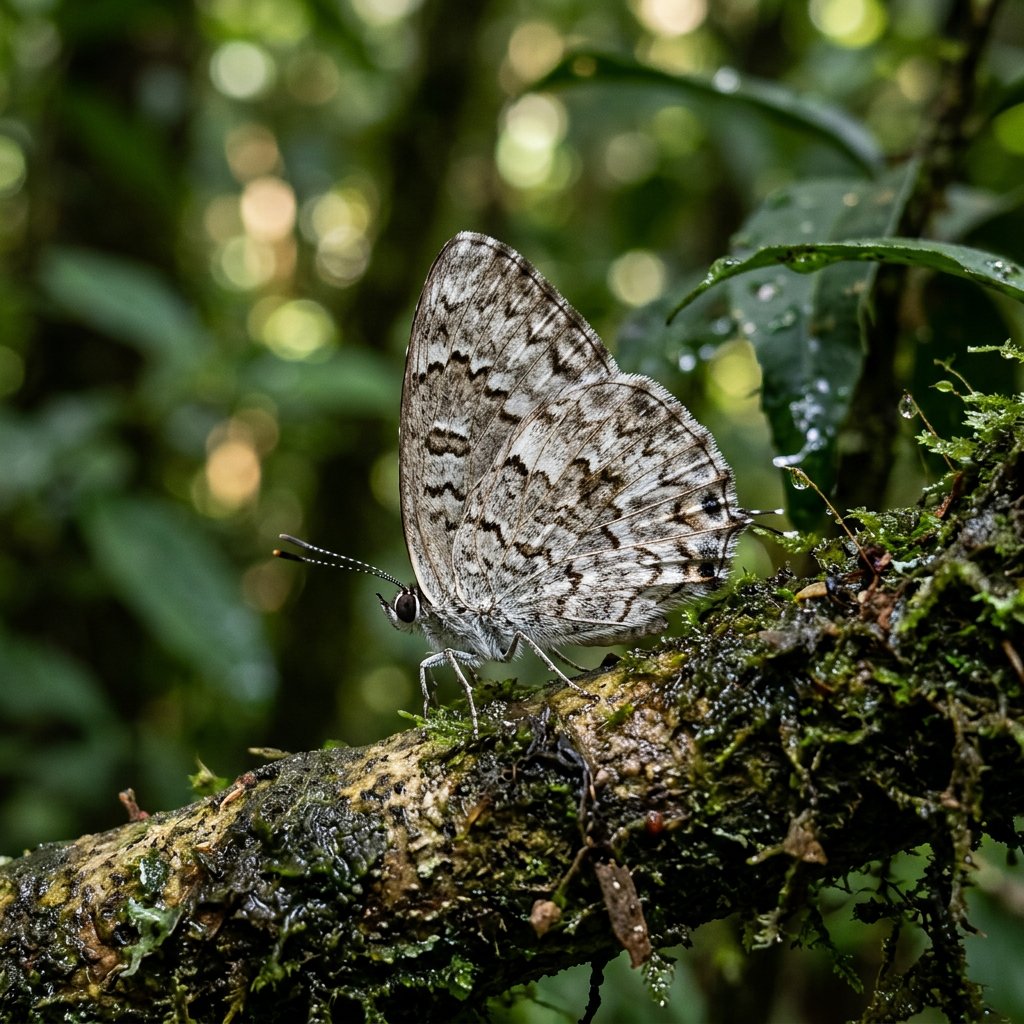
Often called the Apefly, Spalgis is a small butterfly that acts as an undercover agent in your garden. Unlike most butterflies that rely on plants for their entire life cycle, Spalgis has a secret: its larvae are fierce carnivores. They are considered a "gardener’s best friend" because they hunt and eat the pests that destroy your favorite ornamental plants.
🔍 How to Identify
- 🦋 The Wings: Small and unassuming, the adult butterfly has dull brownish or grey wings with subtle white mottling, designed to blend into the shadows of tree canopies.
- 🐒 The "Ape" Pupa: Its most famous feature is the chrysalis, which looks remarkably like the face of a tiny Rhesus monkey or an ape, complete with "eyes" and a "mouth."
- 🐛 The Predatory Larva: The caterpillars are slug-like and often hide under a layer of white, waxy fluff—mimicking the very mealybugs they are hunting.
🌲 Habitat & Ecology
- 🍽️ Mealybug Mercenaries: While adult butterflies sip nectar, the larvae are dedicated predators. They specialize in eating mealybugs and scale insects, acting as a natural, chemical-free form of pest control.
- 🌿 Orchard Residents: You are most likely to find them in tropical or subtropical gardens, coffee plantations, or orchards where their prey (mealybugs) congregates on the undersides of leaves.
⚠️ Safety & Toxicity
- 🛡️ Completely Harmless: Despite their predatory nature as larvae, Spalgis insects are entirely safe for humans. They do not bite, sting, or possess any venom.
- 🐾 Pet Friendly: They pose no threat to dogs or cats. In fact, having them in your garden is a sign of a healthy, balanced ecosystem.
✨ Fun Fact
The resemblance of the pupa to a monkey’s face is so uncanny that it is often used as a classic example of "protective mimicry." Scientists believe the "face" scares away hungry birds and spiders who mistake the tiny insect for a much larger, potentially dangerous primate!
More Details








