Info
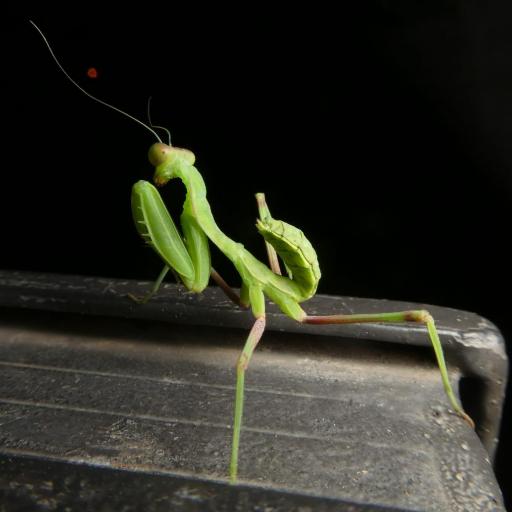
Commonly known as the Giant African Mantis, this is the "classic" praying mantis most people imagine when they think of these ancient predators. Often called the "Mini Dinosaur" of the garden, it is a favorite among hobbyists for its bold personality and impressive size. While it originated in Africa, it has successfully spread across the Mediterranean, becoming a legendary guardian of the shrubs and trees it inhabits.
🔍 How to Identify
- 🦖 Body Shape: A stout and powerful build with a notably broad thorax (the "neck" area) that gives it a more muscular look than its daintier cousins.
- ⚪ The "Stigma": Look for a distinctive, creamy-white spot located on each of the leathery forewings.
- 🎨 Color Palette: Most are a vibrant leaf-green, though they are true masters of disguise; individuals can develop straw-yellow or even tan hues depending on the humidity and light levels during their last molt.
🌲 Habitat & Ecology
- ⚔️ The Ambush Artist: This mantis is a "Generalist Predator," meaning it isn't a picky eater. It will sit motionless for hours, perfectly mimicking a leaf, until a fly, moth, or grasshopper wanders within reach of its lightning-fast front legs.
- 🏡 Garden Guardian: Having one in your garden is like having a natural pest control officer. They patrol hedges and flowering plants, keeping the populations of leaf-eating insects in check.
⚠️ Safety & Toxicity
- 🛡️ Harmless Ally: They are completely non-toxic and possess no stingers. They are "friends" to humans and do not carry diseases.
- 🖐️ Handling Note: While generally docile and curious, a large adult can deliver a tiny "nip" or a prickly pinch with its spiny forelegs if it feels squeezed or threatened. They are safe around pets, though a curious cat might get a surprising (but harmless) swat on the nose!
✨ Fun Fact
The Sphodromantis viridis is surprisingly intelligent for an insect; they are one of the few mantis species known to "people-watch," often turning their heads 180 degrees to track the movement of their owners from across a room.
More Details








