Info
Often called the "Great Mimics" of the butterfly world, members of the genus Stalachtis are masters of evolutionary disguise. These striking insects belong to the Metalmark family (Riodinidae) and are primarily found in the lush tropical rainforests of South America. Instead of hiding, they use bold colors to trick predators into thinking they are much more dangerous than they actually are.
🔍 How to Identify
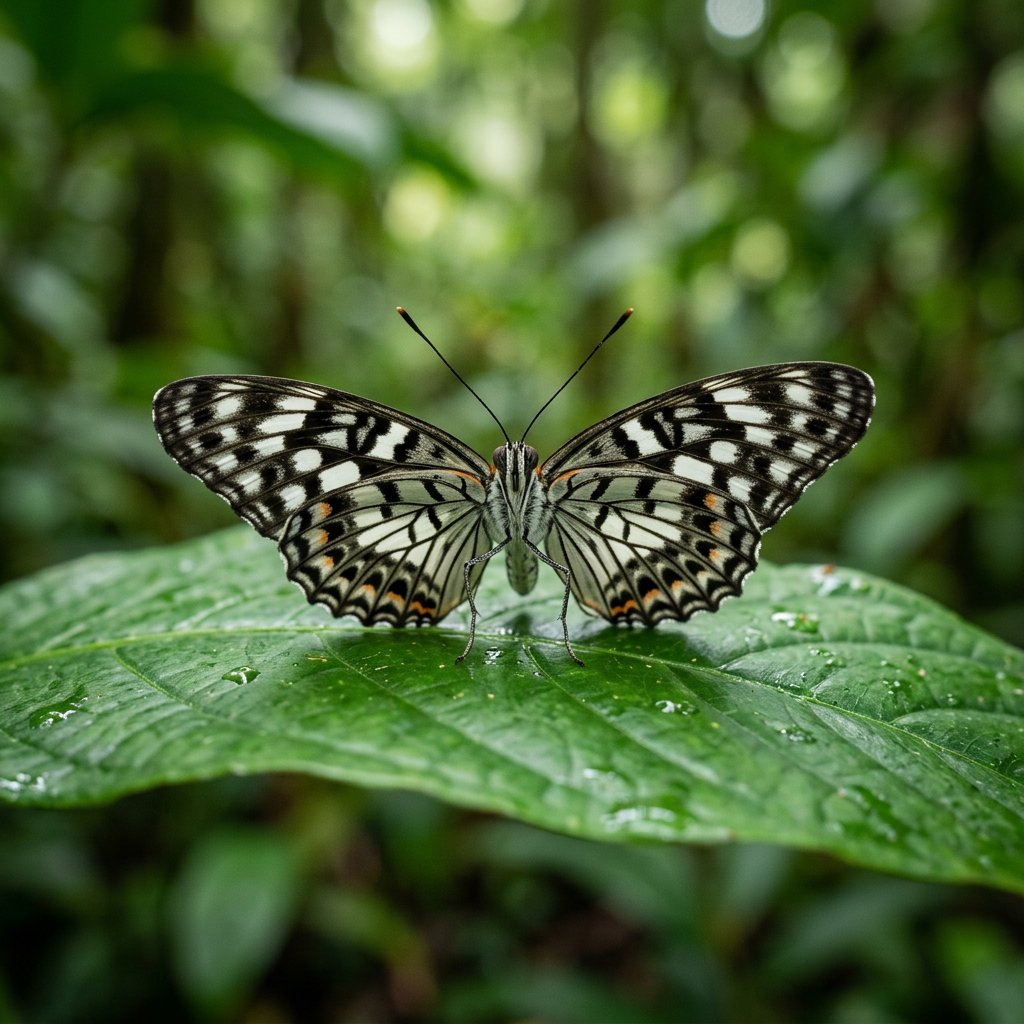
- 🦋 Wing Patterns: They feature high-contrast patterns of deep orange, velvety black, and creamy white spots or "tiger stripes" that mimic toxic butterflies from the Heliconius family.
- 🦴 Slender Profile: Unlike the robust bodies of some mimics, Stalachtis species have notably long, thin abdomens and delicate, spindly legs.
- 📍 Resting Posture: They typically rest with their wings spread flat or slightly angled, showing off their intricate patterns to warn off nearby birds.
🌲 Habitat & Ecology
- 🎭 Müllerian Mimicry: Their entire survival strategy is based on "looking like the bad guys." By resembling poisonous species, they benefit from a shared "warning signal" that teaches predators to stay away from anything with their specific color pattern.
- 🍃 Diet and Flight: You will often find them fluttering slowly through the understory or along forest edges. As adults, they are peaceful pollinators that feed on the nectar of tropical flowering vines.
- 🥚 Host Plants: Their caterpillars are usually found feeding on specific tropical shrubs, where they absorb nutrients that may make the adult butterfly taste quite bitter to birds.
⚠️ Safety & Toxicity
- ✅ Status: Completely harmless to humans. They possess no stingers or biting mandibles.
- 🦋 Details: While they are "distasteful" to birds and lizards if eaten, they are safe for enthusiasts to observe. They do not pose any threat to pets or children, though their delicate wings should never be touched to avoid injuring the insect.
✨ Fun Fact
Because Stalachtis butterflies are such perfect actors, even professional scientists sometimes misidentify them in the field! The only way to be 100% sure they are Metalmarks is to look at their front legs, which are uniquely reduced in size compared to the butterflies they are mimicking.
More Details








