Info
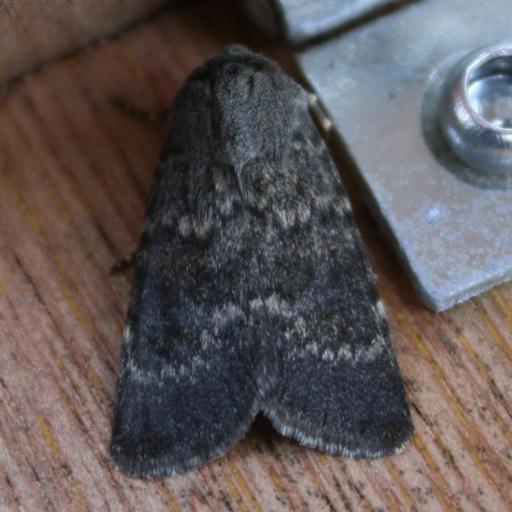
Often called the Northern Rustic, Standfussiana lucernea is the "mountain climber" of the moth world. This hardy insect is a master of camouflage, designed by nature to blend perfectly into the lichen-covered rocks and craggy cliffs of Northern Europe and mountainous regions. It is a peaceful, nocturnal traveler that thrives where many other delicate insects would struggle to survive the wind and cold.
🔍 How to Identify
- 🎨 Mottled Wings: Its forewings are usually a smoky gray or earthy brown, covered in a "marbled" pattern that mimics the texture of granite or limestone.
- 📐 Tent-Like Silhouette: When resting, it holds its wings flat over its body in a neat, triangular shape, hiding its lighter hindwings completely.
- 👁️ Subtle Markings: If you look closely, you can see faint, blurry circular and kidney-shaped outlines on the wings—a hallmark of the Noctuidae (Owlet moth) family.
⛰️ Habitat & Ecology
- 🧗 Rocky Specialist: This moth is rarely found in lush gardens; instead, it prefers scree slopes, coastal cliffs, and rocky outcrops where it can hide in crevices during the day.
- 🌙 Nighttime Pollinator: Active from midsummer through August, it spends its nights visiting wild flowers like Ragwort and Valerian. It is a strong flyer, capable of navigating the gusty winds of high altitudes.
- 🌱 Larval Diet: The caterpillars are generalists, feeding on a variety of low-growing plants, including wild thyme, bird's-foot trefoil, and various hardy grasses.
⚠️ Safety & Toxicity
- ✅ Status: Entirely harmless to humans and pets.
- 👐 Gentle Handling: This moth does not bite, sting, or carry toxins. Like most moths, its wings are covered in tiny scales that look like "dust"; handling them too much can damage their ability to fly, so it’s best to observe them without touching.
- 👕 Not a Pest: Unlike the common clothes moth, the Northern Rustic has no interest in your wardrobe or pantry. It belongs strictly to the great outdoors.
✨ Fun Fact
- ❄️ Winter Survivalist: The Northern Rustic spends the winter as a caterpillar. These "winter warriors" hide deep under rocks or in the soil to escape freezing temperatures, waiting for the first signs of spring to resume feeding.
More Details








