Info
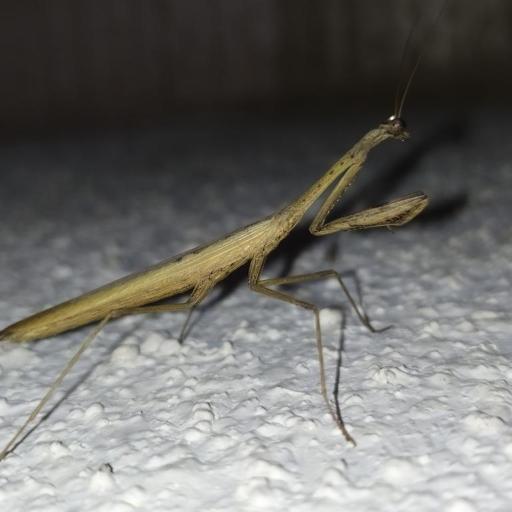
Known as the Asian Jumping Mantis, this master of camouflage is the ultimate garden ninja. Often mistaken for a piece of weathered bark or a dried twig, it lives a life of quiet patience, waiting for the perfect moment to strike. While it might look intimidating with its jagged silhouette, it is a highly beneficial neighbor that acts as a natural form of pest control.
🔍 How to Identify
- 🪵 Bark-Like Camouflage: Their bodies are typically a mottled brown, tan, or grayish color, perfectly mimicking the textures of tree trunks and dried leaves.
- 🖤 Secret Markings: One of the most distinctive features is a pair of bold black patches located on the inner side of their front "grabbing" legs, visible when they extend them.
- 📏 Compact Build: Unlike some of their larger mantis cousins, they are relatively small and slender, usually reaching only about 1.5 to 2 inches in length.
🌲 Habitat & Ecology
- 🦗 The Ambush Predator: This mantis doesn't waste energy chasing prey. It sits perfectly still on woody stems or tree bark, relying on its "jumping" ability to close the final gap and snatch flies, moths, and small crickets.
- 🏙️ Garden Guardian: They are frequently found in urban parks and residential backyards. They prefer bushes and low-hanging tree branches over tall grass, making them a common sight for observant gardeners.
⚠️ Safety & Toxicity
- 🛡️ Non-Toxic: The Asian Jumping Mantis is completely non-venomous and possesses no stinger. It is a "friend" to humans and pets alike.
- 🤏 Gentle Handling: While they can technically "pinch" with their mandibles or prickly front legs if they feel threatened or squeezed, they are generally docile and will prefer to jump away rather than fight a human.
✨ Fun Fact
The "Jumping" in their name isn't just for show; unlike many larger mantis species that rely primarily on flight or slow crawling, Statilia maculata is exceptionally athletic and can leap several times its body length to escape a predator or catch a meal!
More Details








